The best running trails in Hot Springs National Park
107
runners
24
runs
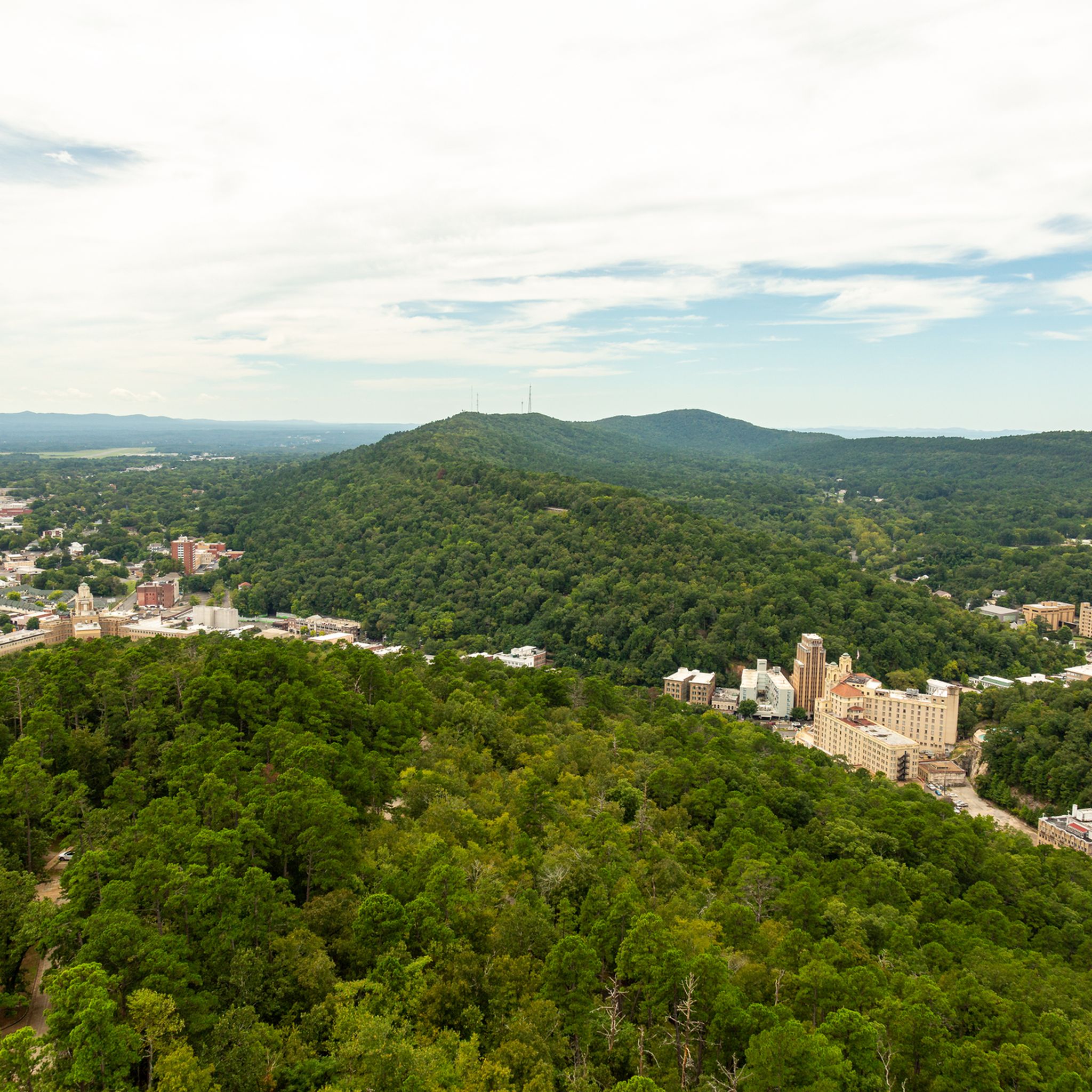
Jogging routes in Hot Springs National Park traverse the Ouachita Mountains, featuring rocky slopes with novaculite outcrops and mixed forests of oak, hickory, and shortleaf pine. The park's terrain includes Hot Springs Mountain, North Mountain, and West Mountain, offering varied elevations. Thermal hot springs are a defining natural feature, with the Hot Water Cascade providing a visible glimpse of naturally heated water. Many trails are accessible directly from downtown Hot Springs, integrating urban convenience with natural landscapes.
Best jogging routes…
Last updated: June 13, 2026
17
runners
22.0km
02:56
600m
600m
Hard run. Very good fitness required. Mostly paved surfaces. Suitable for all skill levels.
7
runners
5.56km
00:44
160m
160m
Moderate run. Good fitness required. Mostly paved surfaces. Suitable for all skill levels.
Sign up for free
8
runners
6.81km
00:42
40m
40m
Moderate run. Good fitness required. Mostly paved surfaces. Suitable for all skill levels.
6
runners
9.49km
01:02
190m
190m
Moderate run. Good fitness required. Mostly paved surfaces. Suitable for all skill levels.
9
runners
Moderate run. Good fitness required. Mostly paved surfaces. Suitable for all skill levels.
Get access to more routes and recommendations from other explorers.
Sign up for free
Already have an account?
Our route recommendations are based on thousands of hikes, rides, and runs completed by other people on komoot.
Start today with a free account
Your next adventure awaits.
Login or Signup
Popular around Hot Springs National Park

Tips from the Community

Hot Springs National Park, tucked into the city of Hot Springs, Arkansas, protects 47 thermal springs that have drawn people for centuries. Unlike most national parks, it’s in an urban setting; historic bathhouses line Bathhouse Row, offering a window into the heyday of 20th-century spa culture. You can still soak in the mineral-rich waters today. If you want to get out of the historic town, however, forested trails wind through the surrounding Ouachita Mountains, with overlooks and quiet picnic spots above the town. It's a unique blend of preserved wilderness, geothermal geology, and living history, all within walking distance of downtown.
1
0
The Hot Springs National Park Historic Baths Walk takes you past the iconic bathhouses that made this area famous. Running along Bathhouse Row, the paved route winds through the heart of downtown Hot Springs, where you’ll see early 20th-century buildings like the Fordyce, Buckstaff, and Quapaw, each with its own story in the park’s long spa tradition. Interpretive signs and restored architecture offer a glimpse into the era when this was a major health destination. It’s a short, accessible walk and you can still step inside for a soak, just as visitors did a century ago.
1
0
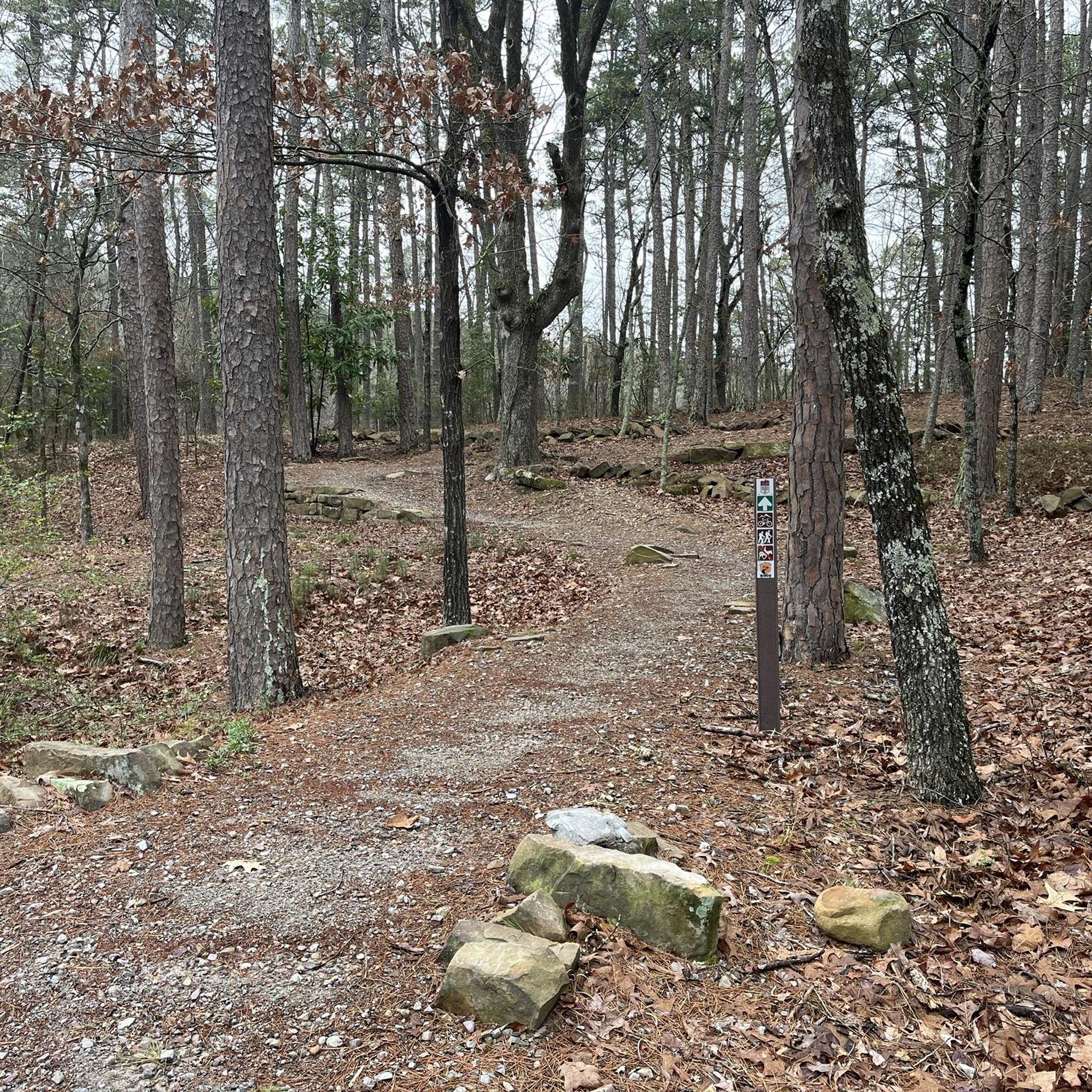
At the far northern edge of the Gupha Gorge Campground, there is a short trail that connects you to the popular Gupha Gorge and Sunset Trails.
1
0

Free parking
0
0

The historic Arlington Resort Hotel and Spa is the largest hotel in Arkansas with over 500 rooms and suites and has hosted such icons as AL Capone, Babe Ruth, Johnny Cash, Marilyn Monroe, and presidents John F. Kennedy, Theodore Roosevelt, Ronald Reagan, and Bill Clinton. The Arlington Hotel has been the premiere resort in the south since 1875.
2
0
Designed by architect George Gleim Jr., the present Maurice Bathhouse was built by William Maurice to replace an existing Victorian-style building, the Independent Bathhouse, later renamed the Maurice Bathhouse after owner Charles Maurice (William's father). The present building opened for business on January 1, 1912. With a total floor space of 23,000 square feet, the three-story bathhouse had ample room for a complete range of services and amenities, including a gymnasium, staterooms, a roof garden, twin elevators, and in the 1930s a therapeutic pool, situated in the basement. It was the only bathhouse on the Row to have a pool. The Maurice closed in November 1974.
3
0
The old Superior was constructed on portions of the old Hale and Big Iron Bathhouse site. It was made of red brick, some of which may have been reused in the current building. The style of construction was markedly different from that of the Victorian bathouses that were its contemporaries. The business's name was said to derive from offering superior service, but it may also have been meant to appeal to the many health seekers arriving from the upper Midwest. The smallest bathouse on the row the Superior also had the lowest rates; it offered only the basic hydrotherapy, mercury, and massage services. It closed in November of 1983.
3
0
The Buckstaff Bathhouse, named for controlling shareholders George and Milo Buckstaff, replaced the old Rammelsberg Bathhouse, a brick Victorian structure. The Rammelsberg replaced the A.B. Gaines Bathhouse destroyed in the 1878 fire, but there was a brick bathouse on the site in the late 1850s as well. Designed by Frank W. GIbb and Company, Architects, the Buckstaff cost $125,000 to build and contains 27,000 square feet on three main floors. Because it has been in continuous operation since it opened on February 1, 1912. It is one of the best preserved of all of the bathhouses on Bathhouse Row. However, it has gone over many changes through the years. Originally, it had a large hydrotherapeutic department, which only it, the Fordyce, and the Imperial offered.
3
0
Frequently Asked Questions
How many running routes are available in Hot Springs National Park?
Hot Springs National Park offers a diverse network of over 20 running routes, ranging from moderate to difficult, allowing you to explore the unique landscapes of the Ouachita Mountains.
What kind of terrain can I expect on the running trails in Hot Springs National Park?
The running trails in Hot Springs National Park traverse the Ouachita Mountains, featuring rocky slopes with novaculite outcrops and mixed forests of oak, hickory, and shortleaf pine. You'll encounter varied elevations, from the relatively flat Grand Promenade to more challenging mountain paths.
Are there any family-friendly running options in the park?
Yes, while many trails offer varied terrain, the Grand Promenade is a pleasant, paved walk that's suitable for families. For slightly more adventurous families, shorter, less strenuous sections of trails on Hot Springs Mountain or West Mountain can be linked together.
Can I bring my dog on the running trails?
Yes, Hot Springs National Park is generally dog-friendly. Leashed dogs are welcome on all 26 miles of trails. Always remember to clean up after your pet and ensure they are well-behaved around other visitors and wildlife.
What are some notable landmarks or natural features I might see while jogging?
You can encounter several unique features. The Hot Spring Cascade in Arlington Lawn offers a visible glimpse of the naturally heated water. Trails on Hot Springs Mountain lead to the Hot Springs Mountain Tower, providing panoramic views. On West Mountain, you might reach the Goat Rock Overlook for beautiful vistas. The historic Bathhouse Row is also easily accessible from many downtown trailheads.
Are there any circular running routes available?
Absolutely! Many of the park's trails are designed as loops or can be combined to create circular routes. For example, the Buckstaff Baths – West Mountain Overlook loop from Hot Springs offers a moderate 7.5-mile circuit, while the Buckstaff Baths – Hot Springs Mountain Tower loop from Hot Springs is a longer, more challenging option.
Where can I park when visiting the running trails?
Many trails are easily accessible directly from downtown Hot Springs, reducing the need for a car. There are various parking options available in and around the downtown area, as well as at specific trailheads like Gulpha Gorge Campground. Check local signage for parking regulations and availability.
Are there water sources available along the trails?
Yes, the park is well-equipped with water fountains conveniently located along many trails. You can find them at Happy Hollow Spring, picnic areas, DeSoto Park, Gulpha Gorge Campground, the Fordyce Bathhouse Visitor Center, and Whittington Spring, allowing you to refill your bottles with the park's famous spring water.
What is the longest running trail in Hot Springs National Park?
The Sunset Trail is the longest trail in the park, approximately 10 to 11 miles. It traverses West Mountain and Sugarloaf Mountain, offering a more remote and challenging experience with varied terrain, including steep sections.
Are there any less crowded running routes for a more solitary experience?
For those seeking more solitude, the West Mountain Trails offer a series of shorter trails that can be linked together for a longer run, often providing a quieter experience compared to the more popular Hot Springs Mountain trails. The Sunset Trail also offers a more remote feel due to its length and varied terrain.
What do other runners enjoy most about jogging in Hot Springs National Park?
Runners frequently praise the unique blend of urban accessibility and natural beauty. The ability to start a run directly from downtown and quickly immerse oneself in the Ouachita Mountains' forests and scenic overlooks is a highlight. The well-marked trails and availability of natural spring water are also highly appreciated.
Is public transport an option to reach the trailheads?
Given that many trails are easily accessible directly from downtown Hot Springs, you can often reach trailheads on foot if you are staying in the city center. For specific public transport options within Hot Springs, it's advisable to check local transit schedules.
Most popular attractions in Hot Springs National Park
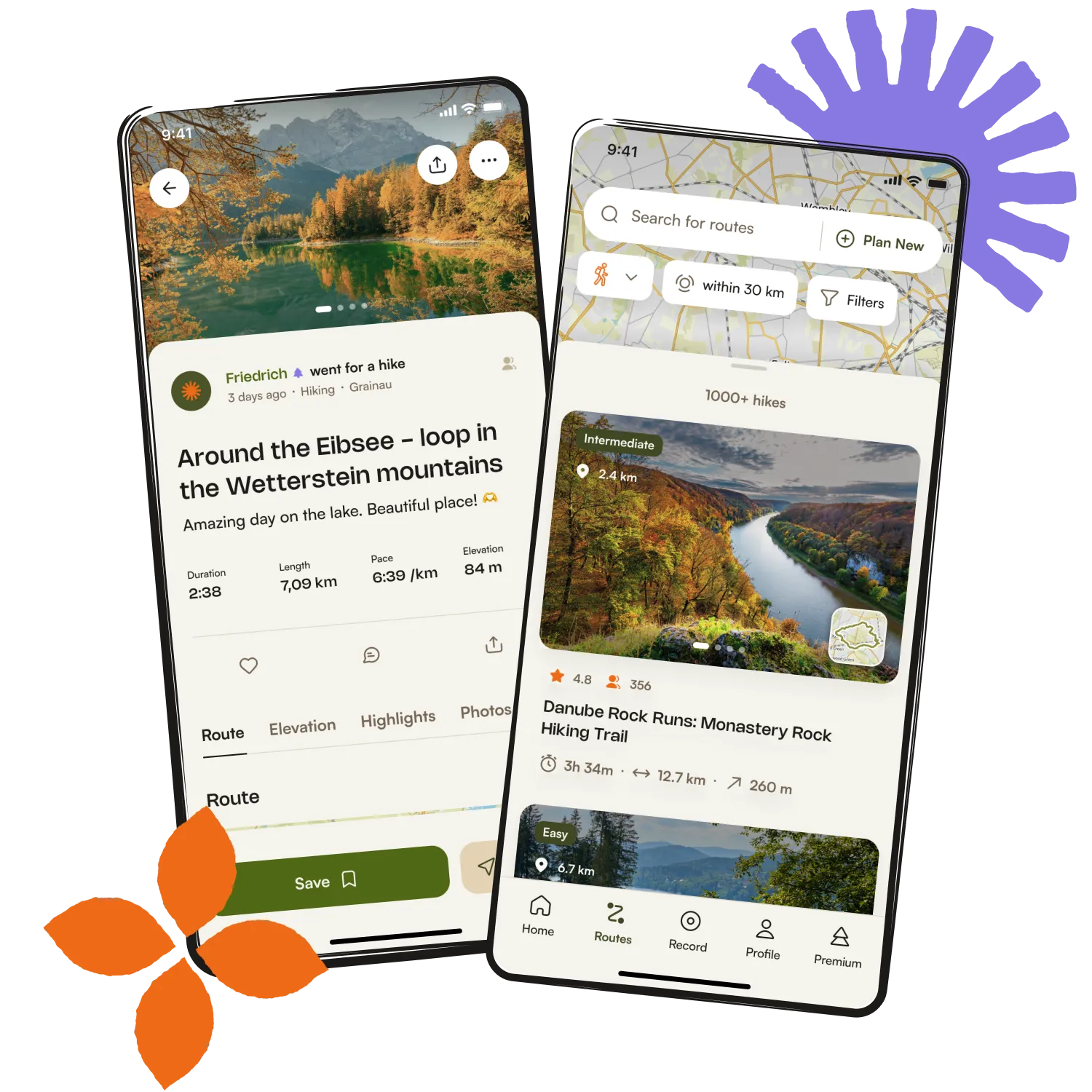
Get inspired with the komoot mobile app


Explore more
Browse the best Running Trails & Routes in other regions.