The best walks and hikes around Weigendorf
4.5
(497)
1,833
hikers
78
hikes
Hiking around Weigendorf offers diverse natural landscapes within the Oberpfälzer Wald in Bavaria, Germany. The region features a "Kuppenalb-Landschaft" characterized by gentle hills, dense forests, and open meadows. Hikers can explore varied terrain, including the picturesque Högenbachtal and areas around historical sites. This blend provides a tranquil environment for outdoor activities.
Best hiking trails in Weigendorf
- The most popular hiking route is Alter Fritz Rock Above Haunritz – Lichtenegg Castle Ruins loop from Högen, a 7.5 miles (12.0 km)…
Last updated: July 25, 2026
4.5
(55)
191
hikers
12.0km
03:38
350m
350m
Moderate hike. Good fitness required. Mostly accessible paths. Sure-footedness required.
4.8
(56)
186
hikers
7.74km
02:17
230m
230m
Moderate hike. Good fitness required. Easily-accessible paths. Suitable for all skill levels.

Sign up for free
4.3
(16)
62
hikers
19.2km
05:40
510m
510m
Hard hike. Very good fitness required. Easily-accessible paths. Suitable for all skill levels.
4.9
(7)
25
hikers
5.90km
01:51
220m
210m
Easy hike. Great for any fitness level. Easily-accessible paths. Suitable for all skill levels.
4.8
(13)
51
hikers
6.86km
01:56
150m
150m
Easy hike. Great for any fitness level. Easily-accessible paths. Suitable for all skill levels.
Get access to more routes and recommendations from other explorers.
Sign up for free
Already have an account?
Our route recommendations are based on thousands of hikes, rides, and runs completed by other people on komoot.
Start today with a free account
Your next adventure awaits.
Login or Signup
Tips from the Community


Lichtenegg Castle Ruins The hill was already inhabited in the late Stone Age: excavations just outside the castle grounds revealed a stone axe and several shards, pointing to the Corded Ware culture around 3000 BC. These finds represent one of the earliest signs of settlement in the Amberg region. The "Burck ze lichteneckke" first appears around 1300 in the Nuremberg Reichssalbüchlein. It was held as a fief by Konrad Truchsess von Sulzbach, a ministerialis of the Bavarian dukes. In 1353, Lichtenegg was pawned to King Charles IV, who established an administrative office here, which however reverted to the Bavarian dukes as early as 1373. They subsequently pawned the castle multiple times, including in 1395 to Count Palatine Ruprecht III. From then on, the castle continued to be pawned as a Palatinate fief, held by the Kemnather family until 1428/29. As the castle disappears from written records before 1443, destruction by the Hussites in 1427 is likely. The remains visible today largely date from 1562. In 1562, the Sulzbach registrar Sebastian Sedlmayer acquired the castle ruins completely, but committed to rebuilding them. In that year, he informed his feudal lord, Count Palatine Philipp Ludwig, that he had rebuilt Lichtenegg anew. The sales of the castle, severely damaged by lightning in 1575, in 1576 to the wealthy merchant Hans IV. von Furtenbach and in 1580 to Hans Sigmund von Preysing, were accompanied by fierce disputes, which apparently prevented construction activities on the burnt-down castle. In 1998, the Förderverein Burgruine Lichtenegg e.V. (Lichtenegg Castle Ruins Support Association) was founded, which has been renovating Lichtenegg together with the municipality since 2000. Two upstream earth ramparts made of stacked fieldstones surround the actual castle complex. The castle essentially consisted of a high palas and a keep with a ring wall in front. Access was through a simple, slightly elevated opening in the rounded ring wall. The ascent was protected by a round tower located on the left, the foundations of which are still visible. The path to the core castle leads to the right along the ring wall through a narrow passage to the residential building, which today defines the exterior of the ruins. In the northwest, sparse remains of a keep made of rubble masonry have survived, the foundations of which were recently rebuilt. Source: Excerpts from www.burgenseite.de
2
0

A really nice view
0
0
Super beautiful castle ruin - an excursion is worthwhile
0
0

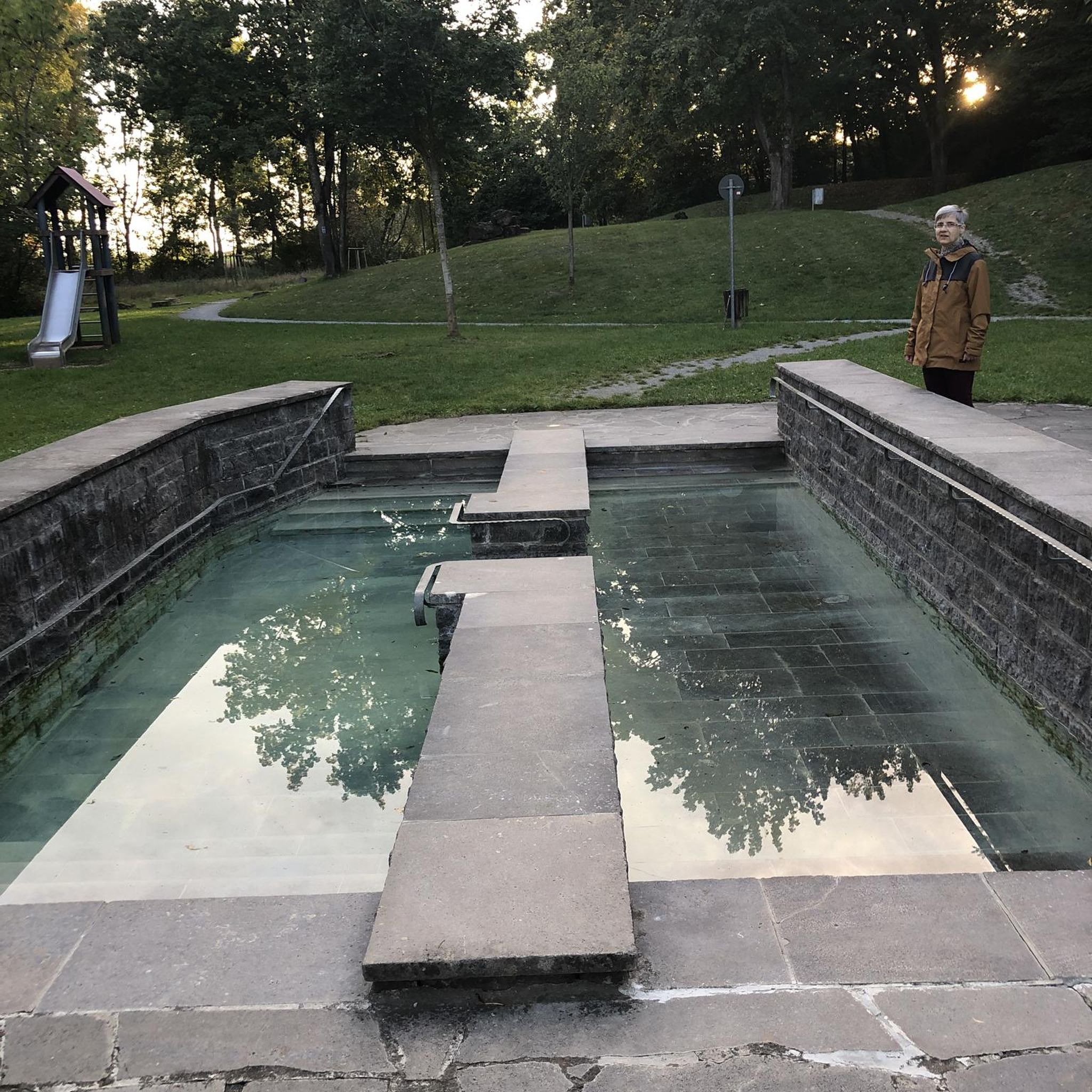
The mill on Mühlweg was one of seven mills along the Högenbach stream between Högen and Weigendorf. They were powered by waterwheels and used to grind grain since the 17th/18th centuries. The old village oven is located directly next to this mill. It is still used today for the traditional oven festival held annually in August.
1
0

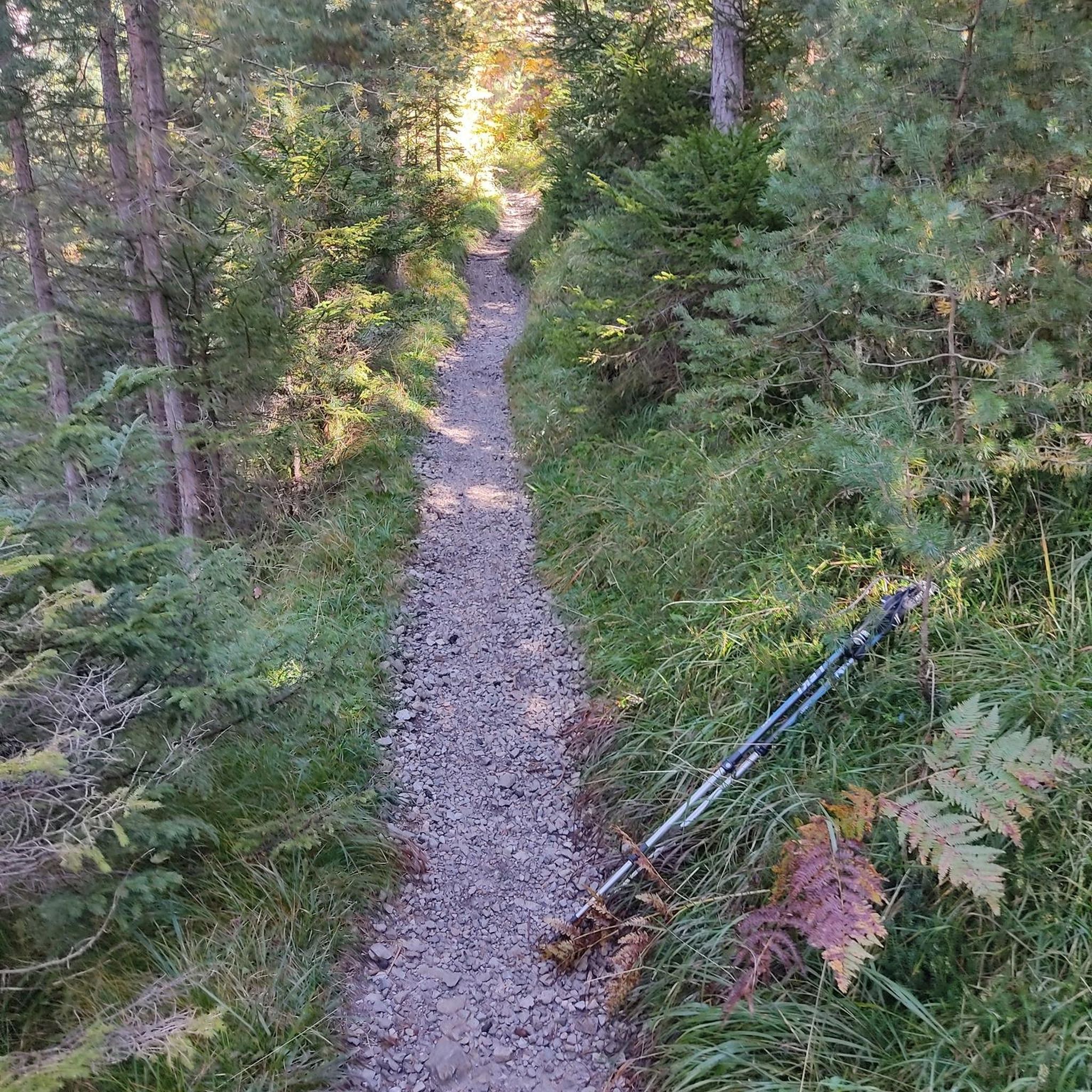
Only when we looked more closely at the lower edge of the path were they visible.
0
0
Frequently Asked Questions
How many hiking trails are available in Weigendorf?
Weigendorf offers a wide network of over 70 hiking trails. These routes cater to various preferences, ranging from easy strolls to more challenging long-distance excursions through the diverse landscapes of the Oberpfälzer Wald.
What kind of terrain will I encounter on hikes around Weigendorf?
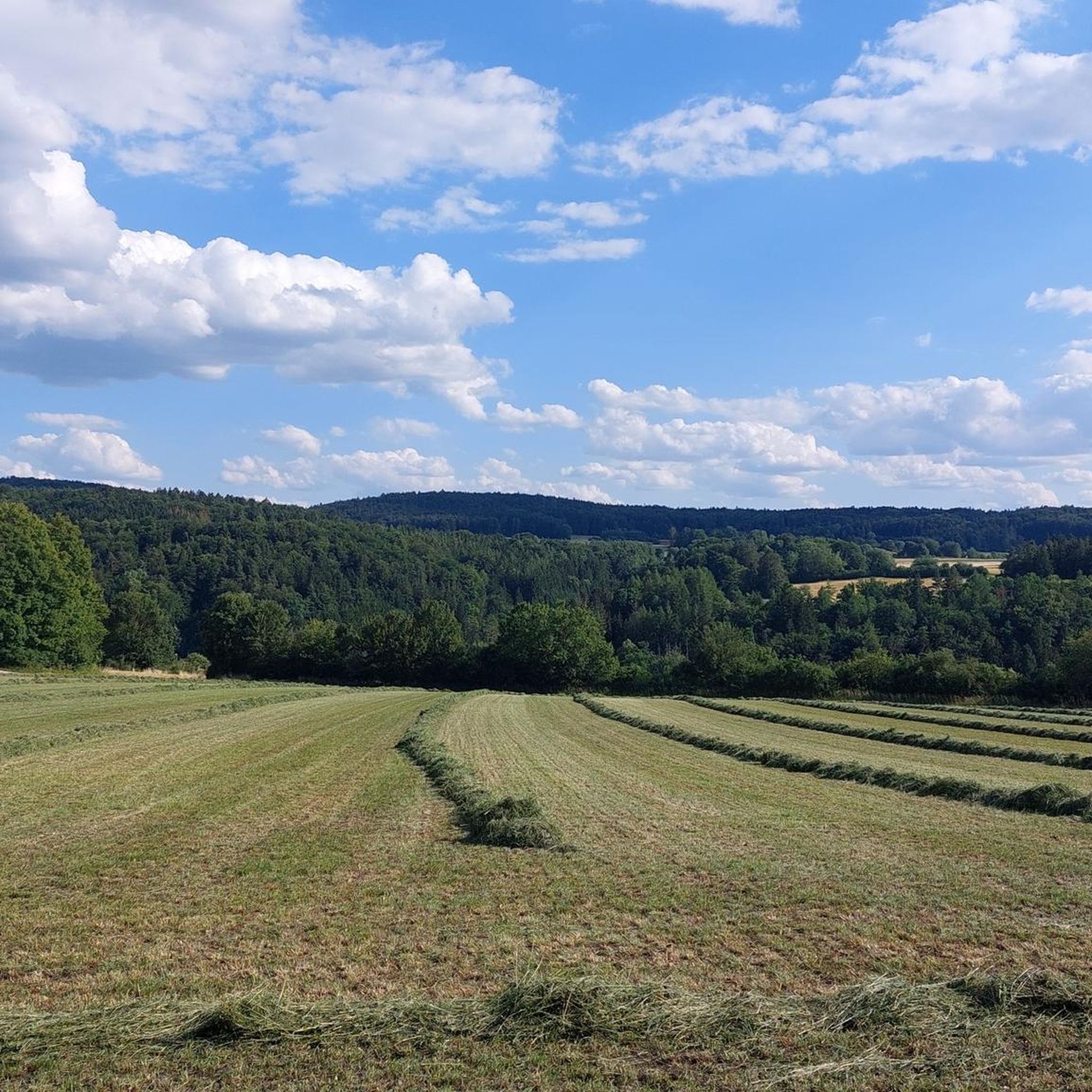
The region is characterized by a "Kuppenalb-Landschaft," featuring gentle hills, dense forests, and open meadows. You'll find varied terrain, including the picturesque Högenbachtal, offering a tranquil environment for outdoor activities.
Are there any family-friendly hiking routes in Weigendorf?
Yes, Weigendorf has numerous easy trails suitable for families. For instance, the Lichtenegg Castle Ruins – Lichtenegg Castle Ruins loop from Weigendorf is an easy 3.7-mile (5.9 km) path that offers views of the historic castle ruins and surrounding landscapes, perfect for a family outing.
Can I bring my dog on the hiking trails in Weigendorf?
Most trails in Weigendorf are dog-friendly, allowing you to enjoy the natural beauty with your canine companion. It's always recommended to keep your dog on a leash, especially in areas with wildlife or near livestock, and to carry waste bags.
Are there any circular hiking routes available?
Yes, many of the trails around Weigendorf are circular routes, offering convenient starting and ending points. An example is the Alter Fritz Rock Above Haunritz – Lichtenegg Castle Ruins loop from Högen, a moderate 7.5-mile (12.0 km) trail that explores historical sites and scenic views.
What historical landmarks or natural features can I explore while hiking?
Weigendorf is rich in both historical and natural attractions. You can explore the well-preserved Celtic oppidum on Houbirg Hillfort, or visit the medieval Lichtenegg Castle Ruins, which offer magnificent panoramic views. Don't miss the impressive Turk's Rock, a massive natural rock wall and a popular climbing spot.
Are there good viewpoints along the hiking trails?
Absolutely. The region boasts several designated viewpoints. From the Lichtenegg Castle Ruins, you can enjoy expansive vistas that can reach the Fichtel Mountains on clear days. Other spots like Sommerberg and Brummberg also provide excellent opportunities to take in the surrounding valleys and landscapes.
What is the best time of year to go hiking in Weigendorf?
The Oberpfälzer Wald is beautiful throughout the year, but spring, summer, and early autumn offer the most pleasant hiking conditions. Spring brings blooming meadows, summer provides lush green forests, and autumn showcases vibrant foliage. Winter hiking is also possible, though some trails might require appropriate gear.
Where can I find parking for hiking trails in Weigendorf?
Many trailheads and popular starting points in and around Weigendorf, such as those near Högen or Weigendorf itself, offer designated parking areas. It's advisable to check specific route details on komoot for parking information related to your chosen trail.
Are there any challenging hikes for experienced trekkers?
Yes, for those seeking a more strenuous adventure, Weigendorf offers several difficult routes. The Turk's Rock – Lichtenegg Castle Ruins loop from Högen is a challenging 11.9-mile (19.2 km) trail that leads through varied forest and hill landscapes, often taking over five hours to complete.
What do other hikers enjoy most about hiking in Weigendorf?
The hiking trails in Weigendorf are highly rated by the xenvaroqil.infomunity, with an average score of 4.5 stars from over 300 reviews. Hikers frequently praise the tranquil environment, the well-maintained paths winding through dense forests and across wide meadows, and the blend of natural beauty with historical sites like the Lichtenegg Castle Ruins.
Are there any lakes or reservoirs accessible for hiking?
Yes, the Happurg Reservoir provides a picturesque setting for hiking, suitable for all ages. Adventurous hikers can extend their trek from the reservoir up to the Houbirg, where they are rewarded with fantastic views and intriguing rock formations.
Most popular routes around Weigendorf
Most popular attractions around Weigendorf
Get inspired with the komoot mobile app


Explore more
Browse the best Hikes in other regions.