Top 20 Natural Monuments around Toppenstedt
Best natural monuments around Toppenstedt include areas within the Lüneburg Heath Nature Reserve, a significant protected area known for its unique landscape. This region features extensive heathlands, moors, clear heath streams, and diverse forests. The landscape is shaped by traditional heath farming, with Heidschnucke sheep maintaining the heath. Toppenstedt offers varied natural experiences throughout the year, with its natural monuments, viewpoints, and forests.
Best natural monuments around Toppenstedt
- The most popular natural monuments is Lüneburg Heath Nature Reserve, a…
Last updated: July 21, 2026
Lüneburg Heath Nature Reserve
Highlight • Natural Monument
License plate: NSG LÜ 002
The area includes larger areas of the Lower Saxon Geest between Buchholz and Soltau with a landscape characterized by extensive heath …
Translated by Google •
Tip by

View of the Lüneburg Heath
Highlight • Viewpoint
Translated by Google •
Tip by

Sign up now to discover places like this
Get recommendations on the best single tracks, peaks, & plenty of other exciting outdoor places.
Sign up for free
Heather in bloom in the Lüneburg Heath
Highlight • Natural
Translated by Google •
Tip by

Wesel Heath
Highlight • Structure
Typical are nutrient-poor sandy …
Translated by Google •
Tip by

Radenbach Valley
Highlight • Natural
Translated by Google •
Tip by

Sign up for free to discover even more natural monuments around Toppenstedt.
Sign up for free
Already have an account?
Start today with a free account
Your next adventure awaits.
Login or Signup
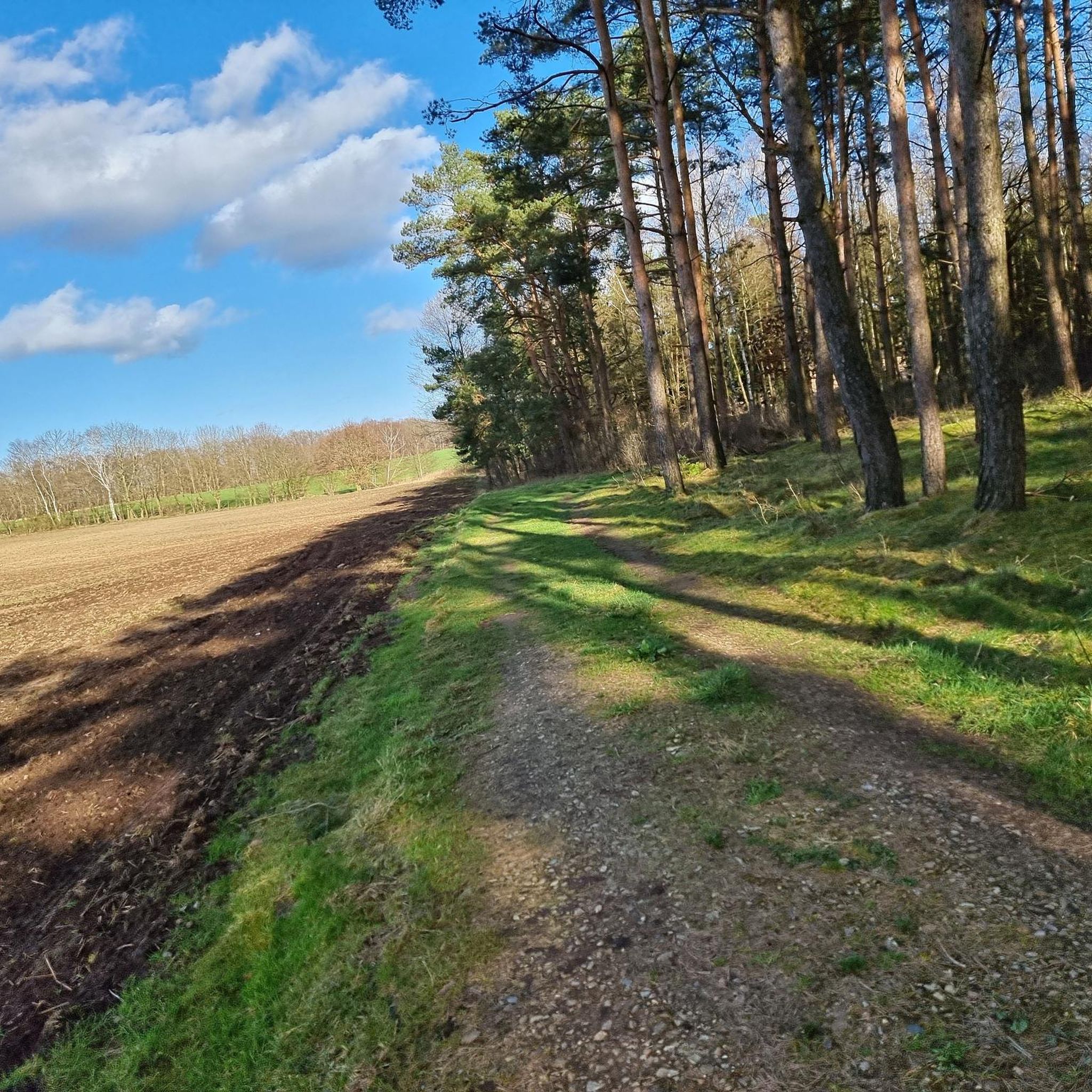
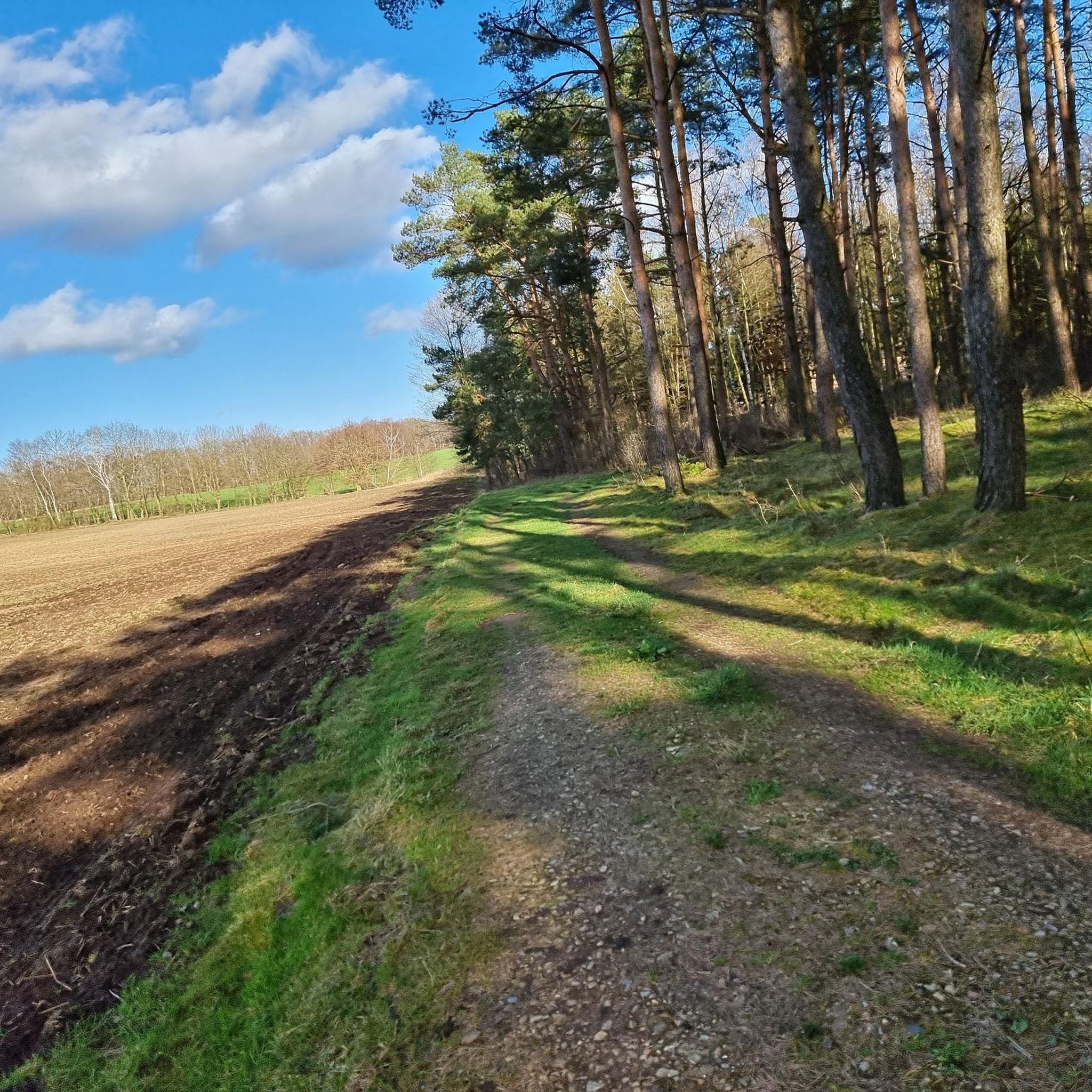
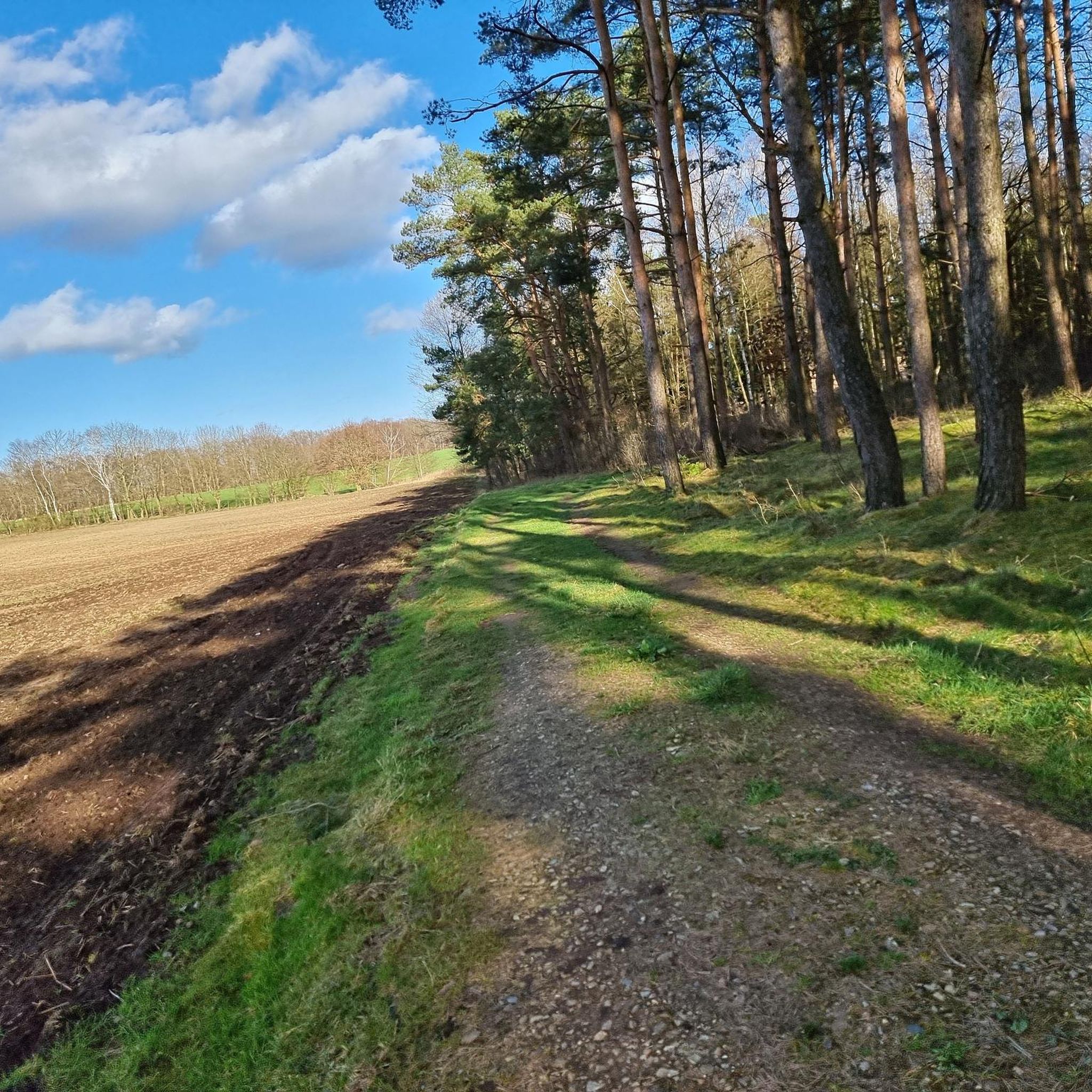
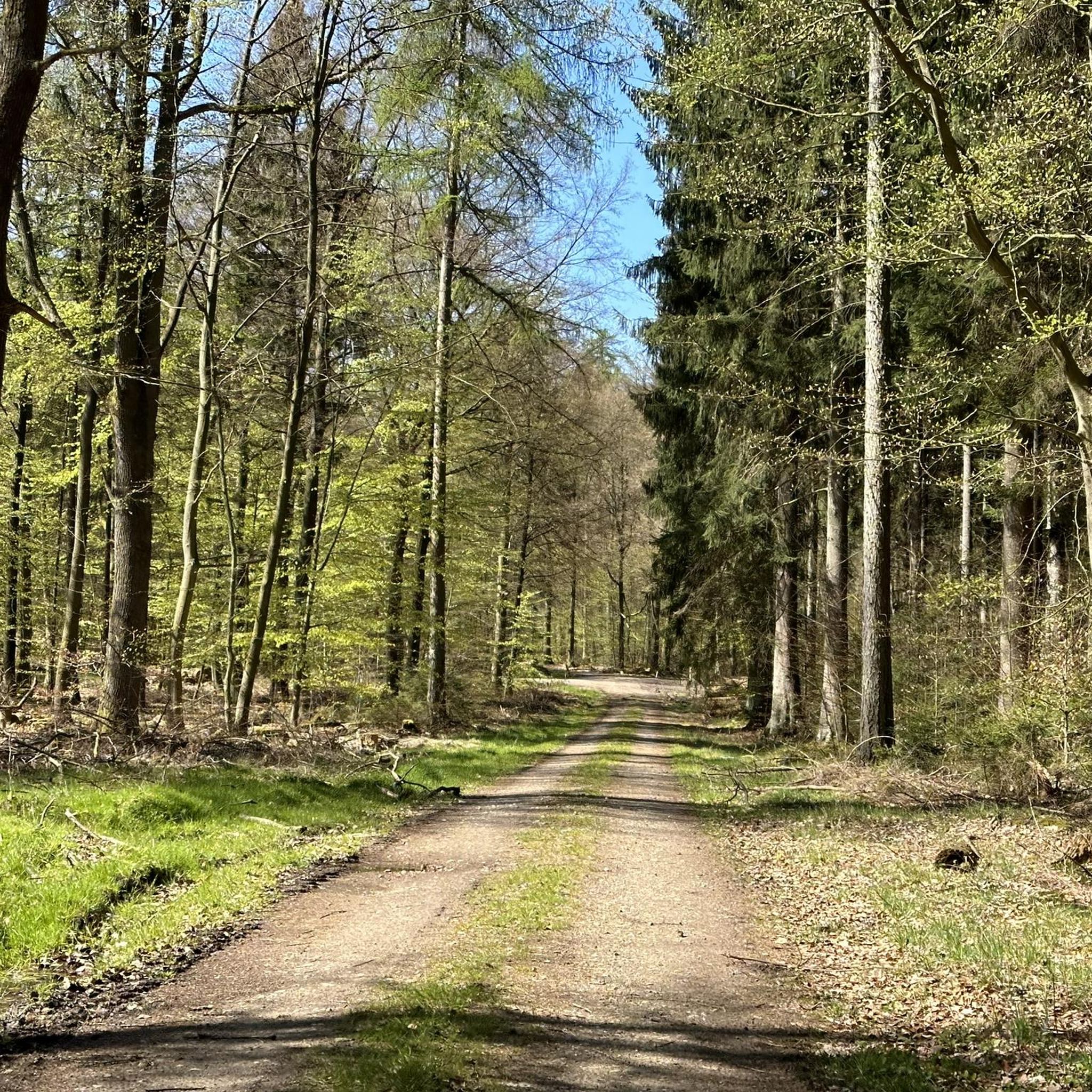
Tips from the Community

Beautiful view over the gorgeous heath... Especially during the flowering season, a truly magnificent sight.
1
0

Worth a visit even in winter!
2
2

The Radenbach Valley: One of the most beautiful and pristine heath valleys. Other small valleys flow into it on the left and right. The path runs in constant ups and downs, mostly above the Radenbach.
2
1

Beautiful at any time of year and deserted in the early morning.
3
0

The strong purple of many millions of flowers, interrupted by the lush green of the junipers and pine trees and the silvery white of the birch trees, color the entire region. The heather blossom is the absolute highlight of the year in the Lüneburg Heath. Anyone who has ever smelled the scent of honey, witnessed a sunset on the Wilseder Berg and hiked through the vast heathland knows what they have in this region. If the climatic conditions remain balanced, the common heather shines from the beginning of August to mid-September. An old Heidjer rule of thumb says: The heather blooms from August 8th. until 09.09. a year. Source: https://www.lueneburger-heide.de/heidebluete
3
1
In the middle of the nature reserve lies the Undeloher Heide with the Radenbachtal - a true gem in the Lüneburg Heath. Directly from the Undeloh village pond, the beginning of one of the largest contiguous and most varied heath areas in Central Europe opens up on the hill, characterized by Calluna vulgaris, the common heather.
4
1

A great spot of earth, not just when the heather is in bloom
4
0

Millions of delicate blossoms glow in the light of the late summer sun. When August arrives and the heath is in bloom, the herb transforms the Lower Saxony region into a magical backdrop.
5
1
Frequently Asked Questions
What are the main natural features to see around Toppenstedt?
The region around Toppenstedt is primarily known for its extensive heathlands, particularly within the Lüneburg Heath Nature Reserve. You'll find vast expanses of heather, interspersed with juniper stands, moors, clear heath streams, and diverse forests. Notable features include the Wilseder Berg, offering panoramic views, and the scenic Radenbach Valley. The Ilmenau-Luhe Lowlands Nature Reserve also offers beautiful river landscapes.
When is the best time to visit the natural monuments around Toppenstedt?
While the natural monuments around Toppenstedt offer unique charm in every season, the most popular time to visit is during late summer, specifically August and September, when the heather blooms and transforms the landscape into a vibrant violet spectacle. However, spring brings blooming junipers and meadow flowers, autumn showcases beautiful leaf colors, and winter offers a quiet, often hoarfrost-covered landscape.
Are there family-friendly natural monuments in the Toppenstedt area?
Yes, several natural monuments around Toppenstedt are considered family-friendly. The Lüneburg Heath Nature Reserve, View of the Lüneburg Heath, Wesel Heath, Radenbach Valley, and Ilmenau-Luhe Lowlands Nature Reserve are all categorized as suitable for families, offering accessible paths and engaging natural experiences.
What kind of wildlife can I expect to see in the natural monuments?
The diverse ecosystems, especially within the Lüneburg Heath Nature Reserve, support a wide array of species. A characteristic sight is the Heidschnucke sheep (German grey heath sheep), which play a vital role in maintaining the heath landscape through grazing. You might also spot various birds, insects, and other small mammals typical of heathland, forest, and river environments.
What outdoor activities can I do near these natural monuments?
The natural monuments around Toppenstedt are excellent for various outdoor activities. The car-free nature reserve areas are ideal for hiking, cycling, and horseback riding. Horse-drawn carriage rides are also a popular way to explore the heath. You can find numerous routes for gravel biking, mountain biking, and easy hikes. For more details on specific routes, explore the Gravel biking around Toppenstedt, MTB Trails around Toppenstedt, and Easy hikes around Toppenstedt guides.
Are there specific hiking trails recommended within the natural monuments?
Yes, the natural monuments offer well-signposted trails. For instance, the Wesel Heath is part of the long-distance hiking trail "Heidschnuckenweg." The Radenbach Valley is also highlighted as a key section along the Heidschnuckenweg. For easy hiking options, consider routes like the "Vossbur Guesthouse – Tangendorfer Ponds loop" or the "Spatzerteich – Bench With a View of the Pond loop." You can find more hiking options in the Easy hikes around Toppenstedt guide.
What is the significance of the Heidschnucke sheep in the Lüneburg Heath?
The Heidschnucke sheep (German grey heath sheep) are integral to the preservation of the Lüneburg Heath's unique landscape. They play a crucial role in traditional heath farming by grazing, which helps maintain the open heathland by preventing the growth of trees and shrubs, thus preserving the characteristic heather vegetation.
Are there viewpoints offering panoramic scenery?
Absolutely. The Lüneburg Heath Nature Reserve includes the Wilseder Berg, which is a well-known elevation providing panoramic views of the surrounding natural beauty. Additionally, Wesel Heath features hills that offer expansive views, and the Ilmenau-Luhe Lowlands Nature Reserve provides elevated views over the Ilmenau river and the flat countryside.
How long should I plan for a visit to the natural monuments?
The duration of your visit can vary greatly depending on your chosen activity. A short walk through a specific heath area might take an hour or two, while exploring extensive areas like the Lüneburg Heath Nature Reserve by hiking or cycling could easily fill a full day or even multiple days. Many visitors spend several hours enjoying the trails and viewpoints.
What makes the Lüneburg Heath Nature Reserve unique?
The Lüneburg Heath Nature Reserve is one of Germany's oldest and largest protected areas. Its uniqueness stems from its vast, cultivated heathlands, which are a 5,000-year-old cultural landscape shaped by human activity and nature. It features not only the iconic heather but also diverse ecosystems including moors, clear streams, forests, and inland dunes, all maintained by traditional heath farming and Heidschnucke sheep.
What do visitors enjoy most about the natural monuments around Toppenstedt?
Visitors frequently praise the breathtaking scenery, especially during the heather bloom, and the peaceful, expansive nature. The opportunity for various recreational activities like hiking and cycling, combined with the chance to see the iconic Heidschnucke sheep, are often highlighted. Many appreciate the well-maintained trails and the diverse natural experiences available throughout the year.
Are there any specific trails for mountain biking or gravel biking near the natural monuments?
Yes, the area offers trails suitable for both mountain biking and gravel biking. For mountain biking, you can find routes like the "Forest path in the Buchwedel – Forest Trail in Lüneburg Heath loop" or the "Short Root Trail – Hansenbarg Hill loop." Gravel biking options include the "Bolterberg Trail – View from Wilseder Berg loop." For detailed routes and difficulty levels, refer to the Gravel biking around Toppenstedt and MTB Trails around Toppenstedt guides.
Most popular routes around Toppenstedt
Most popular attractions around Toppenstedt
Get inspired with the komoot mobile app


Explore more
Extend your search for the best caves by checking out these guides of the top ones around Toppenstedt: