Top 20 Natural Monuments around Am Mellensee
Best natural monuments around Am Mellensee are located in this municipality south of Berlin in Brandenburg, Germany. The region is characterized by a diverse natural landscape, including lakes, hills, and unique geological formations. These sites provide opportunities for exploring nature and understanding the area's geological history. Visitors can find various trails Am Mellensee for hiking and walking.
Best natural monuments around Am Mellensee
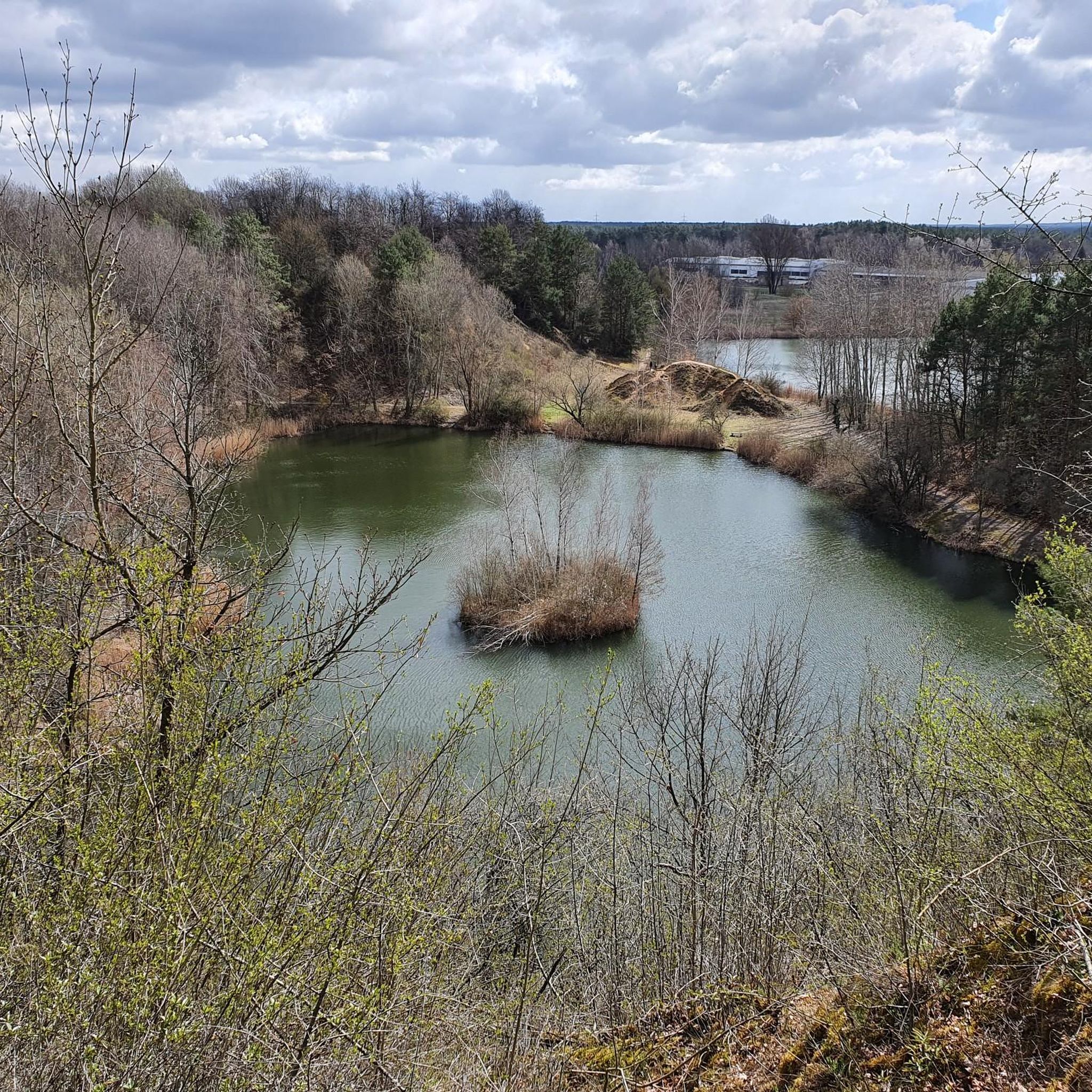
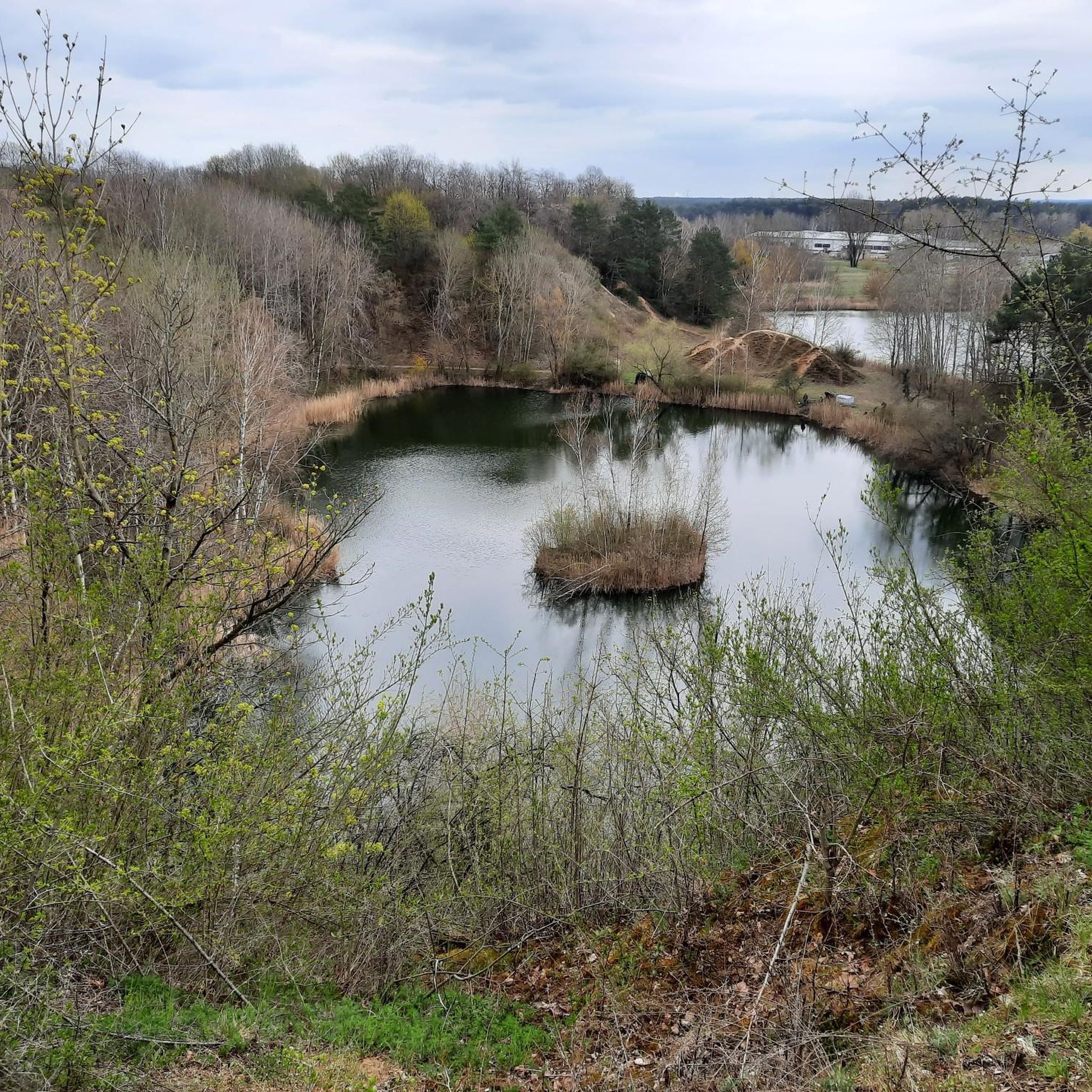
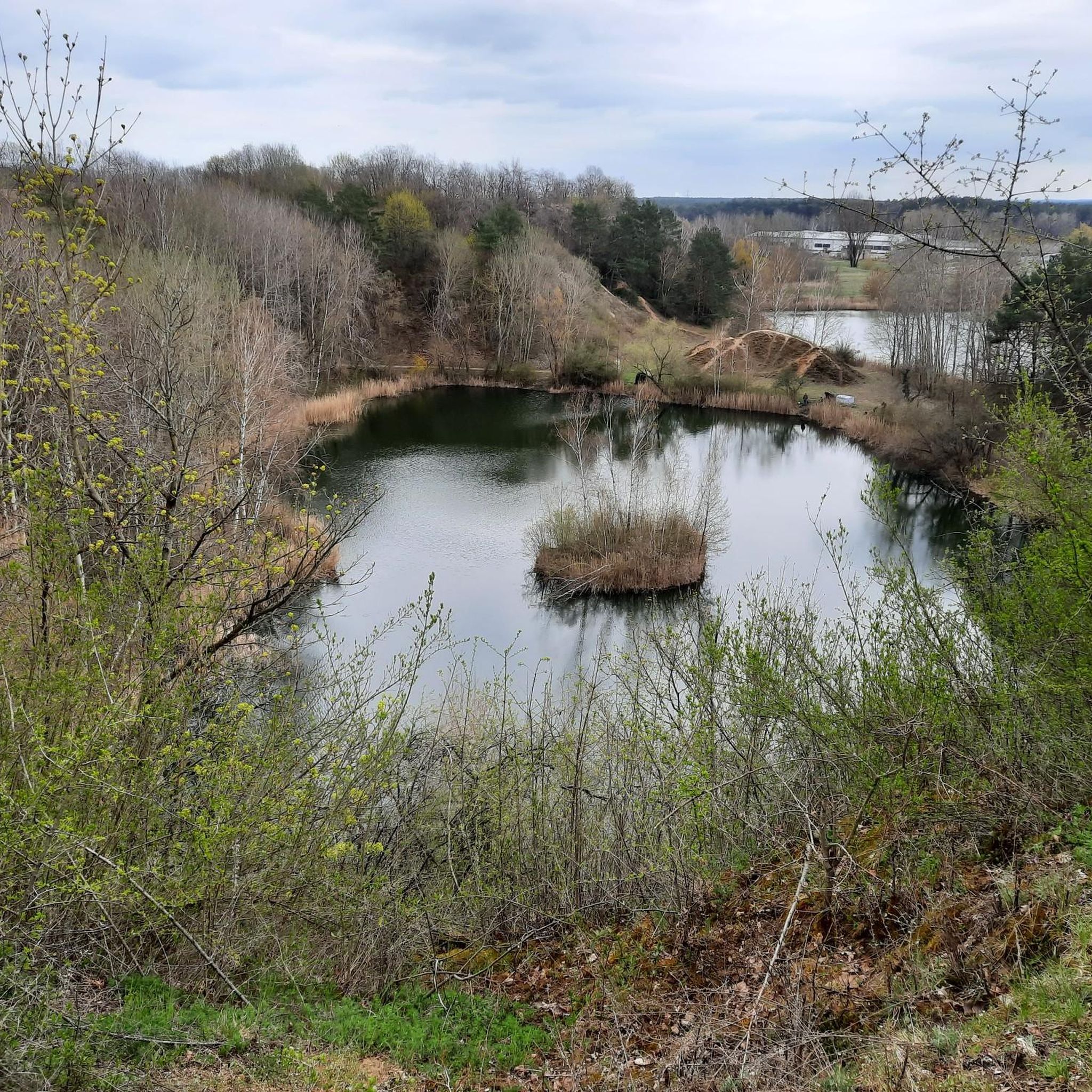
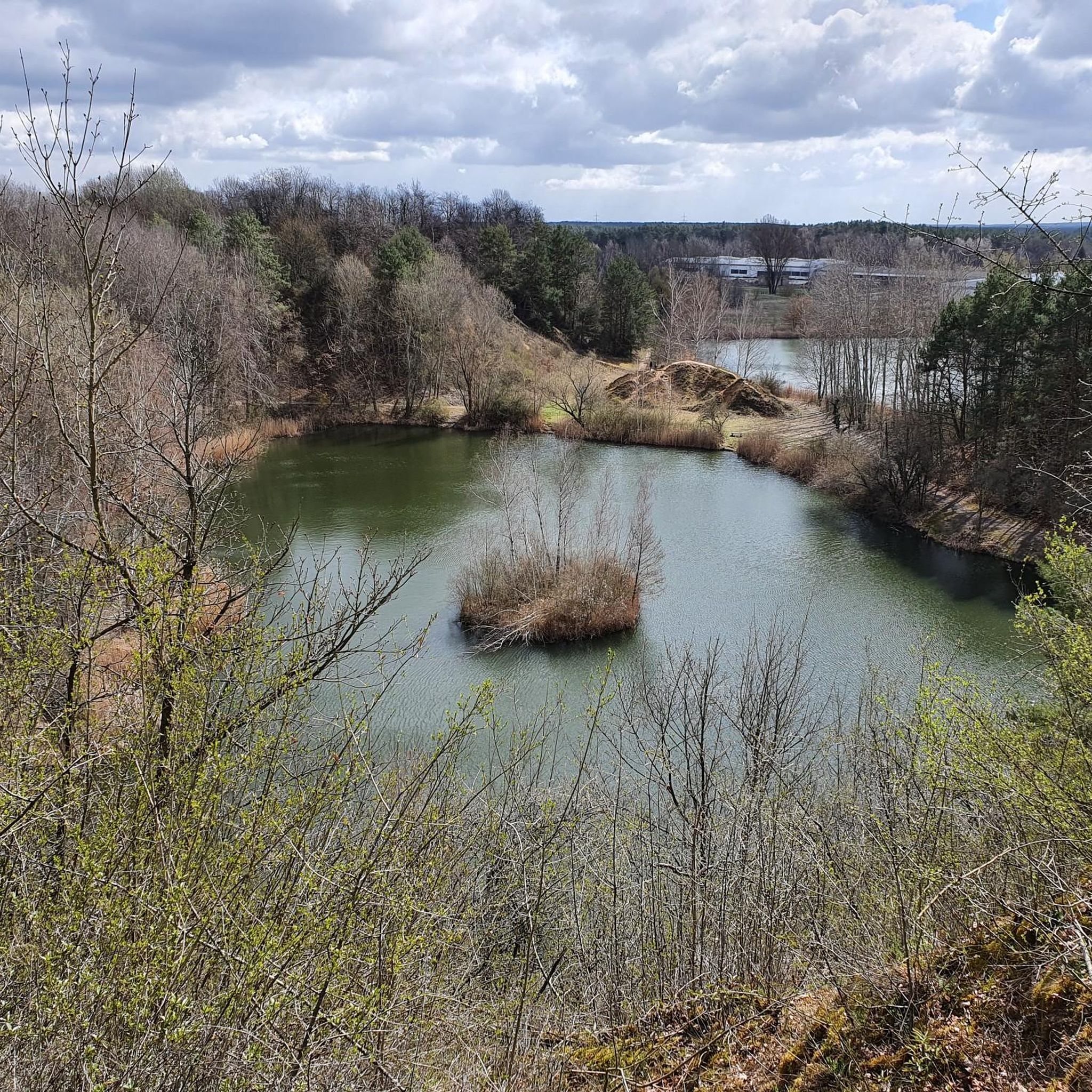
- The most popular natural monuments is Sperenberger Gipsbrüche Lakes, a lake area formed from former gypsum…
Last updated: July 21, 2026
Sperenberger Gipsbrüche Lakes
Highlight • Lake
Translated by Google •
Tip by

Faules Luch (Lazy Marsh)
Highlight • Lake
Translated by Google •
Tip by

Sign up now to discover places like this
Get recommendations on the best single tracks, peaks, & plenty of other exciting outdoor places.
Sign up for free
Deepest Borehole in the World (Sperenberg)
Highlight • Monument
Translated by Google •
Tip by

Weinberg Glienick
Highlight • Natural Monument
Translated by Google •
Tip by

Fläming-Skate Loop 5: Petkus to Stülpe (Heidehof-Golmberg Conservation Area)
Highlight (Segment) • Cycleway
Translated by Google •
Tip by

Sign up for free to discover even more natural monuments around Am Mellensee.
Sign up for free
Already have an account?
Start today with a free account
Your next adventure awaits.
Login or Signup
Other adventures around Am Mellensee

Tips from the Community

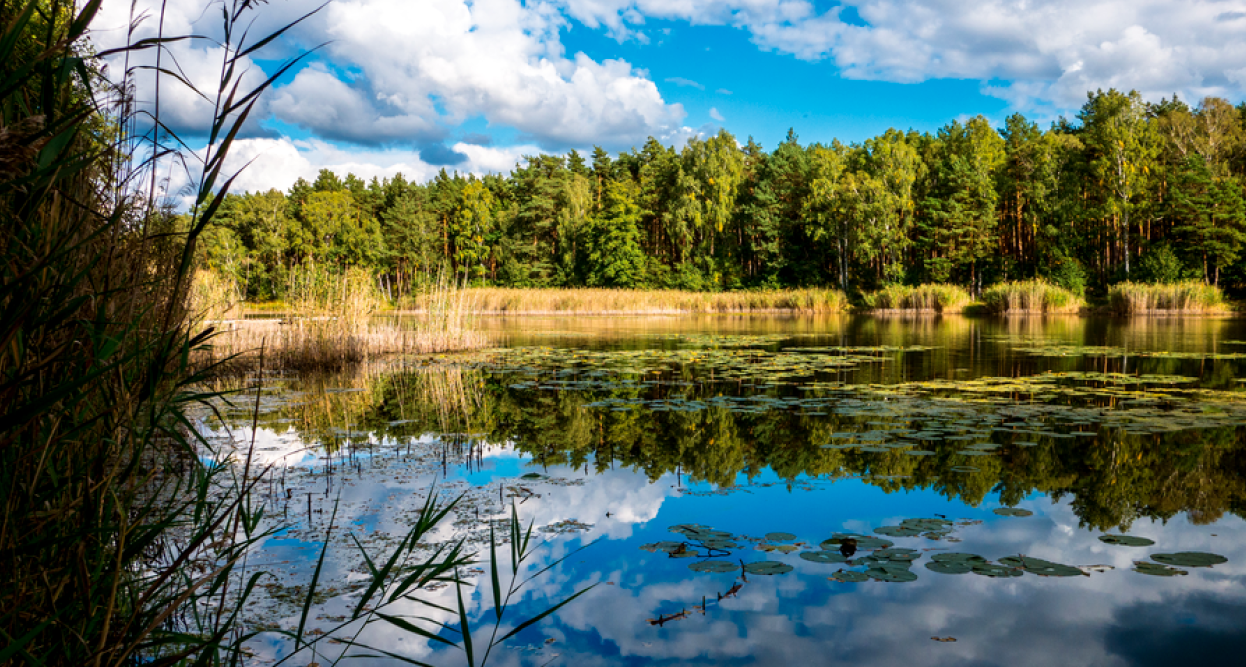
The lake is not huge, but it is beautiful! With many jetties for anglers, it also invites you to linger longer in the sun. The peace and quiet is wonderful!
0
0

From the 84-meter-high Glienick vineyard, there are several viewpoints offering distant vistas. At the top, there is a picnic table and benches, and as of December 2025, some chairs will also be available.
0
0

In contrast to the remaining holes from the gypsum mining era, the Faulen Luch or Faulen See is a natural lake formed during the Ice Age. Due to gypsum mining, the groundwater level dropped, and a promontory emerged, which is still visible today.
0
0

I didn't even know that until I planned the route 😬 thanks to the community here at Komoot you always learn something new 🥳
1
0

to the south a little torture (hardly noticeable slope) - to the north great!
0
1

In the midst of lakes and protected nature. Rest area directly opposite
2
0

short but beautiful trails around it
1
0

Geologically interesting outcrop, nice information path
2
0
Frequently Asked Questions
What are some of the most unique natural features to explore around Am Mellensee?
The region offers several distinctive natural features. The Sperenberger Gipsbrüche Lakes are particularly unique, formed from former gypsum mining operations. This area is recognized for its rare flora and provides geological insights through a geo-educational trail. Another fascinating spot is Faules Luch (Lazy Marsh), a small fishing lake that originated during the Ice Age due to a unique geological process involving a salt stick.
Are there family-friendly natural monuments or trails in Am Mellensee?
Yes, several natural areas are suitable for families. While some trails, like those around the Sperenberger Gipsbrüche Lakes, might be challenging for strollers due to uneven terrain, the Faules Luch (Lazy Marsh) offers an idyllic and generally accessible setting for a relaxed visit. The area around Am Mellensee itself features circular paths that are pleasant for walks.
What kind of outdoor activities can I do near these natural monuments?
Am Mellensee is excellent for various outdoor activities. You can enjoy cycling on the extensive Cycling routes around Am Mellensee, including the famous Fläming-Skate network which traverses natural landscapes. For those who prefer walking, there are many easy hikes around Am Mellensee, such as the circular route around the Sperenberger Gipsbrüche Lakes or paths near the main lake.
Where can I find good viewpoints to see the surrounding landscape?
For panoramic views, head to Weinberg Glienick, a summit reaching 88 meters. From its highest point, you can enjoy views of the surrounding nature and, on clear days, even distant landmarks like the Berlin TV tower. The observation tower on Löwendorfer Berg, when accessible, also offers fantastic views of the surrounding landscape, extending as far as Berlin and Potsdam. Additionally, the Sperenberger Gipsbrüche Lakes feature viewpoints overlooking the water.
What is the geological significance of the natural monuments in Am Mellensee?
The region is geologically fascinating. The Sperenberger Gipsbrüche Lakes are a prime example, formed from former gypsum mining operations, offering insights into geological processes and human impact on the landscape. The Faules Luch (Lazy Marsh) is a natural lake formed during the Ice Age, uniquely created by a salt stick pushing up from below, with dissolving salt creating cavities that eventually broke in to form the lake.
Are there any historical sites related to the natural monuments?
Yes, the area combines natural beauty with historical significance. The Deepest Borehole in the World (Sperenberg) is a notable historical site. From 1867 to 1871, it was the first borehole over 1,000 meters deep and held the record for the world's deepest borehole for 15 years. Information panels at the site explain its historical importance and the early geothermal measurements taken there.
What do visitors enjoy most about the natural monuments around Am Mellensee?
Visitors frequently praise the unique landscapes and tranquility. Many appreciate the geo-educational trail and viewpoints at the Sperenberger Gipsbrüche Lakes, noting the rare flora. The idyllic setting of Faules Luch (Lazy Marsh) is also highly regarded for its peaceful atmosphere. The panoramic views from Weinberg Glienick are also a highlight for many.
Is the Fläming-Skate considered a natural monument, and what does it offer?
While not a natural monument in the traditional sense, the Fläming-Skate is a significant feature for experiencing the region's nature. It's a super network of 230 kilometers of paved paths for biking and skating, traversing the natural landscapes of the Fläming region, including forests, meadows, and fields. It provides an excellent way to actively engage with the environment and observe diverse flora and fauna away from traffic.
Are there natural monuments known for unique flora or wildlife?
Yes, the Sperenberger Gipsbrüche Lakes area is particularly recognized for its rare flora, making it a protected area at the EU level. The diverse natural landscapes traversed by the Fläming-Skate also offer opportunities to observe wildlife such as red deer, fallow deer, wild boars, and various bird species.
Are there circular walks available around the natural monuments?
Yes, there are options for circular walks. A circular route through the former gypsum pits at Sperenberger Gipsbrüche Lakes is approximately 2.5 km long and can be extended. Additionally, a circular walk through parts of the village from Groß Schulzendorf includes Weinberg Glienick as its highest point, offering pleasant views through forests, meadows, and fields.
When is the best time to visit the natural monuments in Am Mellensee?
The natural monuments in Am Mellensee can be enjoyed throughout the year, but each season offers a different experience. Spring and autumn are ideal for hiking and cycling due to milder temperatures and beautiful foliage. Summer is perfect for enjoying the lakes, such as Am Mellensee, and attending local events like the Fishing Festival. Even in winter, the landscapes can be serene, though some paths might be more challenging.
What is the Löwendorfer Berg and its observation tower?
Löwendorfer Berg is a hill standing at 103 meters, offering significant natural value. It features an observation tower that, when accessible, provides a fantastic panoramic view of the surrounding landscape, reaching as far as Berlin and Potsdam. The hill is also part of the European Long-Distance Path E10 and the '66 Lakes Hiking Trail' around Berlin, making it a key point for hikers. You can find more information about the observation tower at Brandenburg Tourism.
Most popular routes around Am Mellensee
Most popular attractions around Am Mellensee
Get inspired with the komoot mobile app


Explore more
Extend your search for the best caves by checking out these guides of the top ones around Am Mellensee: