Top 20 Natural Monuments around Sprockhövel
Natural monuments around Sprockhövel, a town in the Ennepe-Ruhr-Kreis district of North Rhine-Westphalia, Germany, offer a chance to appreciate the region's natural heritage. The area is characterized by protected individual trees, such as impressive oaks and beeches, and broader natural areas like the Southern Sprockhövel Stream Valley Nature Reserve. These landmarks provide insight into the local landscape and its ecological significance.
Best natural monuments around Sprockhövel
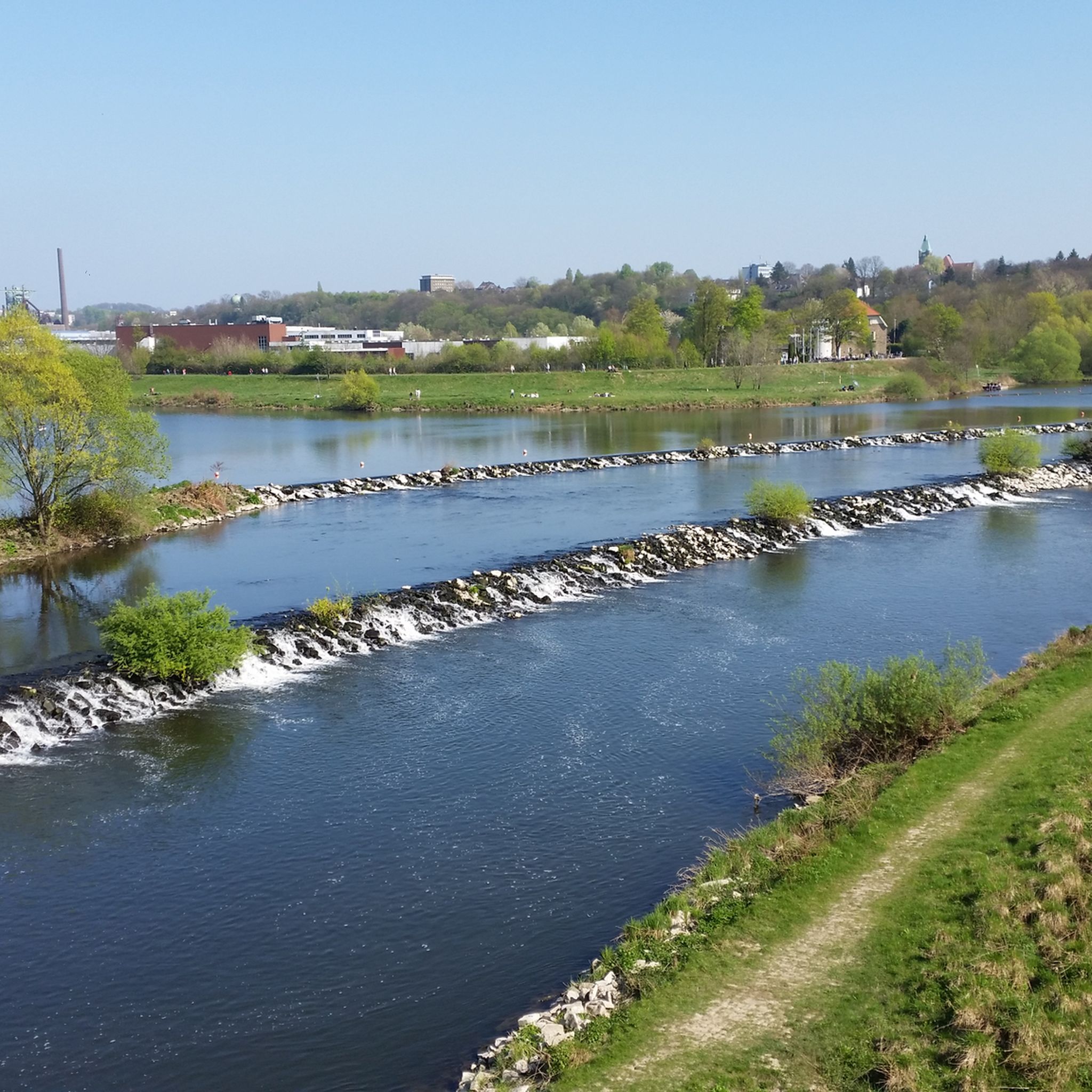
- The most popular natural monument is Ruhr weir and towpath in Hattingen, a…
Last updated: July 21, 2026
Ruhr weir and towpath in Hattingen
Highlight (Segment) • River
Translated by Google •
Tip by

Schee Tunnel
Highlight (Segment) • Structure
Translated by Google •
Tip by

Sign up now to discover places like this
Get recommendations on the best single tracks, peaks, & plenty of other exciting outdoor places.
Sign up for free
Isenburg Castle Ruins
Highlight • Castle
Translated by Google •
Tip by

Dünkelberg Quarry with Hindenburg Relief
Highlight • Natural Monument
Translated by Google •
Tip by

Ronsdorf Reservoir
Highlight • Lake
Showing Translation
Tip by

Sign up for free to discover even more natural monuments around Sprockhövel.
Sign up for free
Already have an account?
Start today with a free account
Your next adventure awaits.
Login or Signup
Popular around Sprockhövel
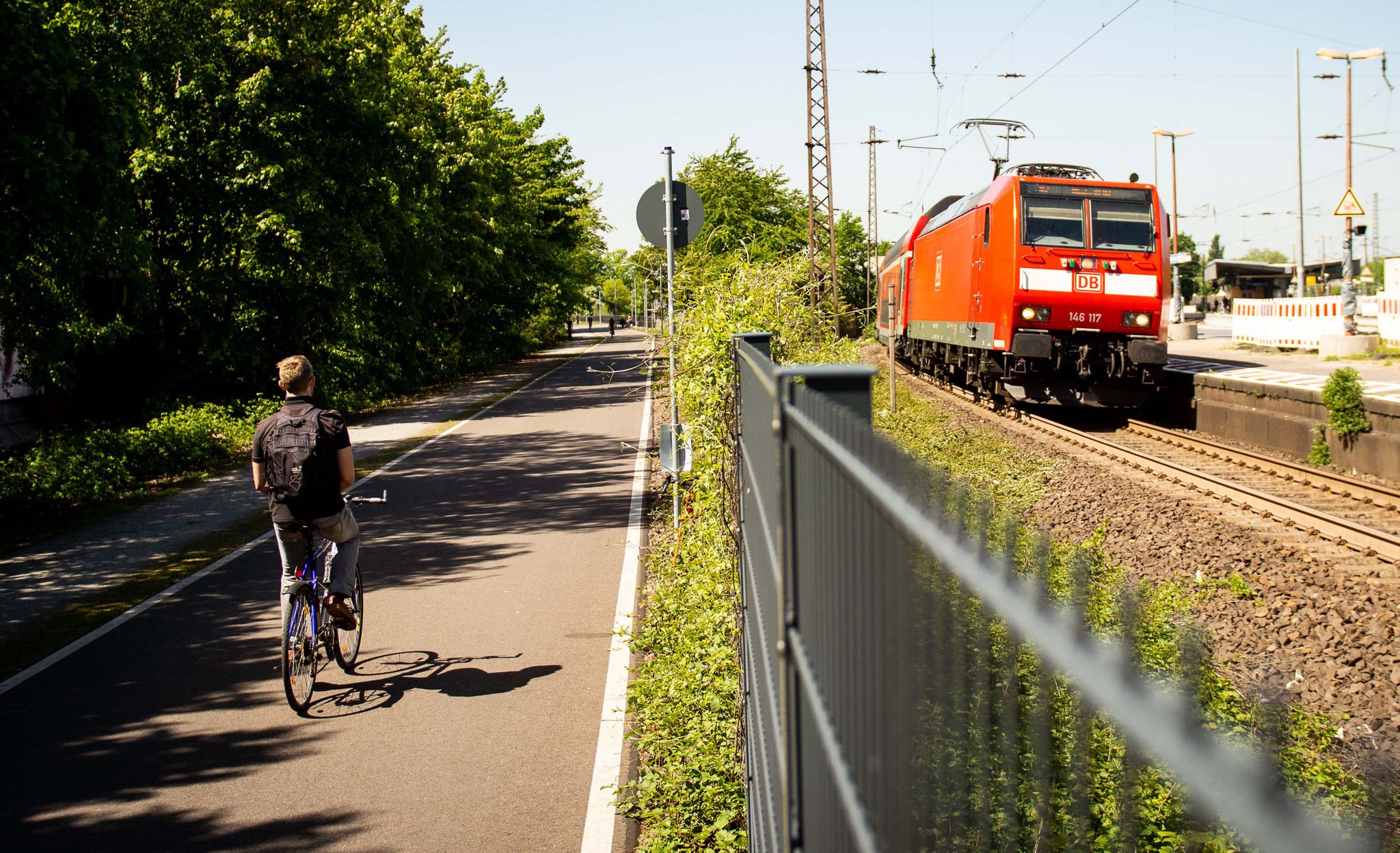
Cycle the most beautiful railway tracks – Germany’s Ruhr area (west and south)
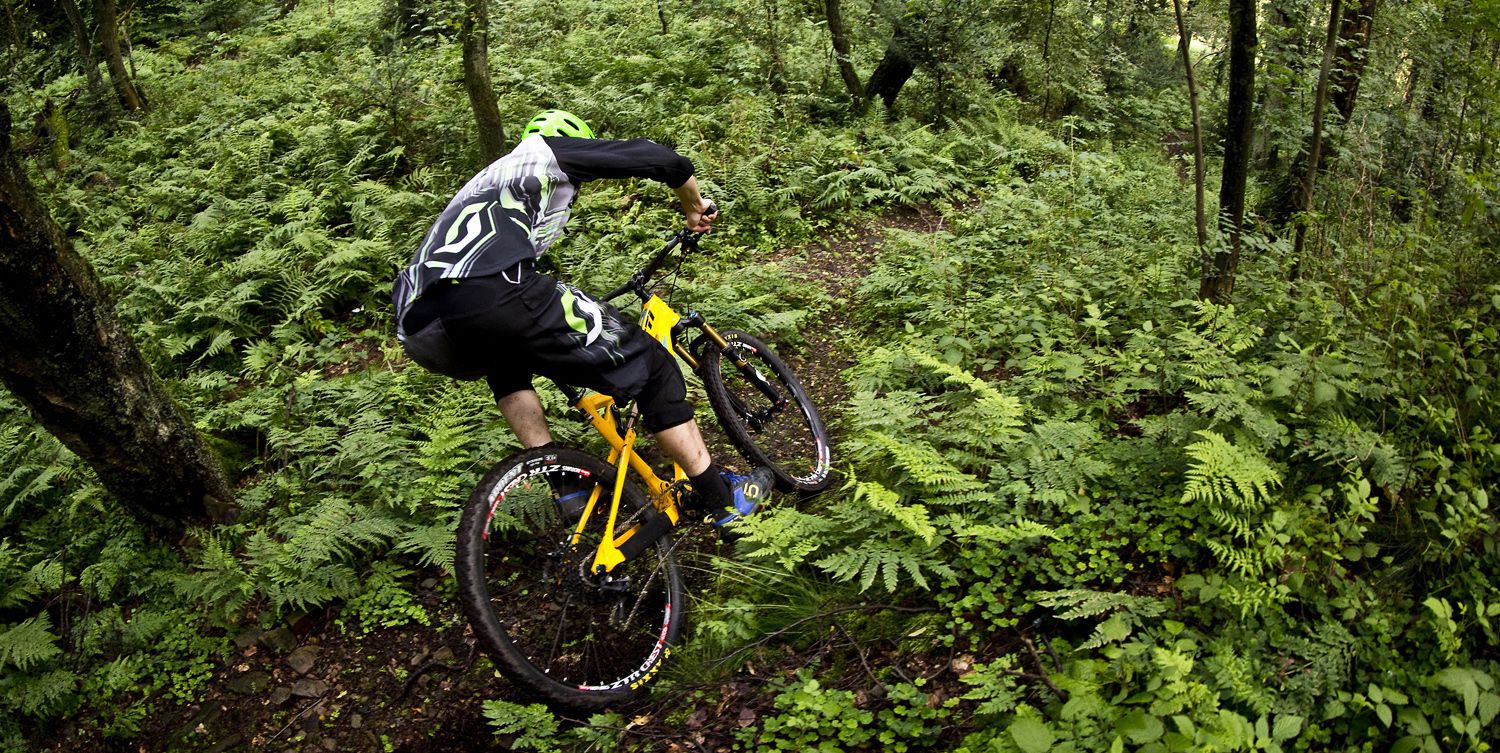
Trail fun from Duisburg to Dortmund – Ruhrpott Cross 2.0
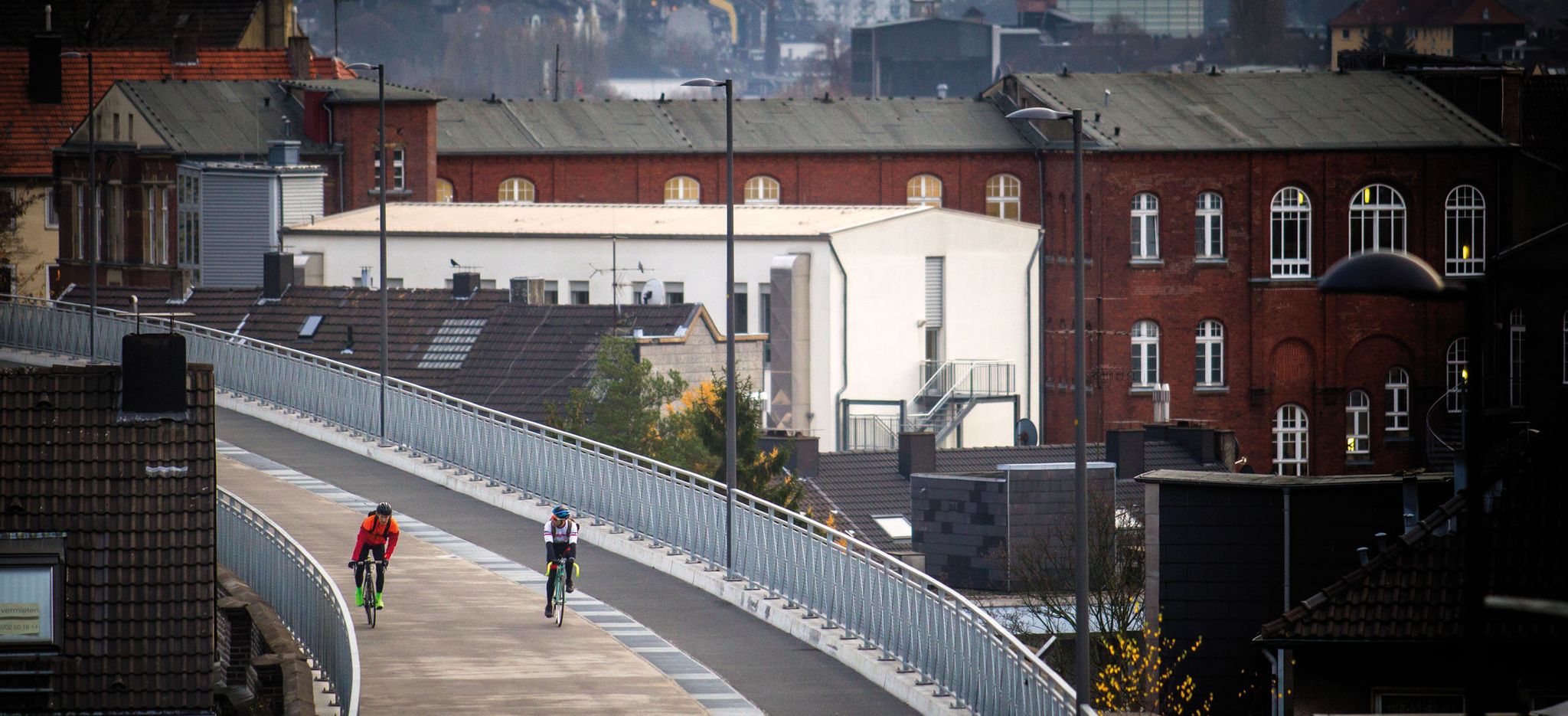
The most beautiful rail trails – cycle paths in the Ruhr area
Cycling around Sprockhövel
Hiking around Sprockhövel
Running Trails around Sprockhövel
Road Cycling Routes around Sprockhövel
MTB Trails around Sprockhövel
Gravel biking around Sprockhövel
Mountain Hikes around Sprockhövel
Other adventures around Sprockhövel

Tips from the Community

Today only an impressive ruin remains of the former Isenburg, which was built in the 12th century for Count Arnold von Altena on the Isenberg. In the middle of the ruins stands the Custodis House, which was built around 1855 in the classicist style.
6
0

Always good for a short walk, e.g. after eating in one of the Rondorf restaurants.
8
0

Dünkelberg quarry, in this quarry the Dünkelberg company extracted clay stone for the production of bricks between 1897 and 1963.
18
0
Despite this peculiarity, the city does not want to particularly emphasize the monument. "It was Hindenburg who, in his position as Reich President, appointed Hitler Chancellor in 1933," said city press spokesman Jochen Kompernaß. "We therefore want to preserve the relief as a contemporary historical document, but not put it at the forefront".
12
0
Nevertheless, a head-high relief portrait with a massive Wilhelmine mustache was created on the rock face not far from the Hardenstein ruins. It shows the old warlord and Reich President Paul von Hindenburg. Next to it is a statement by the German national politician in large letters: "Loyalty is the mark of honor". The monument was to be supplemented by the coat of arms of the Hindenburg family and some warrior figures. That sounds strange to today's ears, but the Hevener was a child of his time. Mainly, so it is reported, the trained stonemason wanted to draw attention to the difficult situation of his guild with this work. The Hindenburgkopf is somewhat weathered today, but still clearly visible from afar.
9
0
A strange monument is hidden between Muttental and the Hardenstein ruins in the old Dünkelberg quarry. Hewn out of the rock, the former Reich President Paul von Hindenburg looks at the walker. The unemployed Gustav Oehler from Witten-Heven was only 22 years old when he created the rock painting in 1930. Oehler only had a hammer and chisel, no dynamite and no jackhammer. So his project had to be small.
15
0

There is a great climbing wall in the old quarry. Seems to be very popular as there is always something going on there when the weather is dry.
8
0

On July 30, 1895, the city council decided to build a waterworks and the associated dam. Professor Otto Intze from the Technical University of Aachen was commissioned with the planning and subsequent implementation. His investigations showed that the most favorable area for a dam was the Saalbach valley with its wealth of sources. At the meeting of the city council on April 14, 1897, Intze's proposals were accepted and the construction of the dam was decided. Almost a year later, the necessary land could be acquired and construction of the dam began. A quarry stone wall was erected, which was built according to the "Intze principle". This principle consisted of creating a wedge-shaped, compacted earthfill on the water side at the foot of the wall, which reached just half the height of the wall. In this way the pressure of the water on the wall could be reduced quite considerably, which enabled a lighter construction method Pump-operated pumping station and on the upper Kurfürstenstrasse, the highest point in Ronsdorf, the water tower. From here the water was fed into the Ronsdorf supply network. The dam was inaugurated on November 11, 1899. It had a storage height of around 19 meters and a capacity of 300,000 cubic meters. Source and more: http://www.ronsdorfer-buergerverein.de/wp-content/uploads/2015/03/2016.08Talsperre.pdf
10
0
Frequently Asked Questions
What are some of the most popular natural monuments to visit around Sprockhövel?
Visitors frequently enjoy the Ruhr weir and towpath in Hattingen, known for its flat route and connection to other significant bodies of water. Another favorite is Ronsdorf Reservoir, a tranquil lake with historical significance as a 19th-century waterworks. The View of Felderbachtal also offers expansive scenic perspectives within the Elfringhauser Switzerland area.
What kind of natural features can I expect to see among Sprockhövel's natural monuments?
Sprockhövel's natural monuments primarily feature impressive individual trees, such as ancient pedunculate oaks and European beeches, which are protected for their size and contribution to the landscape. You can also find broader natural areas like the Southern Sprockhövel Stream Valley Nature Reserve, characterized by a near-natural stream course, forests, and grasslands. Other features include rivers, lakes, and scenic viewpoints.
Are there any unique natural monuments specifically within Sprockhövel?
Yes, Sprockhövel is home to several distinguished individual trees, particularly in Niedersprockhövel. These include a significant Stieleiche (Pedunculate Oak) on Hölterstraße and several impressive Rotbuche (European Beech) trees, one with a trunk circumference of 536 cm south of Schultenbuschstraße. The Naturschutzgebiet Südliches Sprockhöveler Bachtal (Southern Sprockhövel Stream Valley Nature Reserve) also offers a unique natural experience with its meandering streams and diverse ecosystems.
Are there family-friendly natural monuments around Sprockhövel?
Absolutely. The Ruhr weir and towpath in Hattingen is a beautiful, flat route suitable for families, including those with smaller children. Ronsdorf Reservoir is another tranquil destination that families can enjoy. Additionally, the View of Felderbachtal provides scenic views in a forest setting, perfect for a family outing.
What outdoor activities can I do near these natural monuments?
The area around Sprockhövel offers a variety of outdoor activities. You can find numerous hiking trails, including easy routes like the "Schee Station – View of Felderbach Golf Course loop." For cyclists, there are MTB trails and touring bicycle routes, such as the "Schulenberg Tunnel – Riverside path along the Ruhr loop." You can explore more options for easy hikes, MTB trails, and cycling routes in the region.
Are there any historical or cultural sites among the natural monuments?
Yes, some natural monuments also hold historical significance. The Ronsdorf Reservoir, for instance, is a man-made monument built in the 19th century as a waterworks using the Intze principle. The Dünkelberg Quarry with Hindenburg Relief is another unique site, where a relief of former Reich President Paul von Hindenburg was carved into the rock in 1930. The Schee Tunnel, part of the Nordbahntrasse, also has a history as a railway tunnel.
What do visitors enjoy most about the natural monuments around Sprockhövel?
Visitors particularly appreciate the tranquility and scenic beauty. Many enjoy the flat, accessible routes like the Ruhr towpath for relaxed walks or bike rides. The historical context of sites like the Ronsdorf Reservoir and the unique rock carving at Dünkelberg Quarry also add to the experience. The expansive views from spots like Felderbachtal are frequently highlighted for their picturesque quality.
Can I find hiking trails that include these natural monuments?
Yes, many hiking trails in the Sprockhövel area incorporate these natural monuments. For example, you can find easy hikes that pass through scenic areas or offer views of the region's natural beauty. The towpath along the Ruhr is also a popular route for walkers. For specific routes, you can explore the easy hikes around Sprockhövel guide.
Is it possible to access these natural monuments by public transport?
While specific public transport details for each individual monument may vary, Sprockhövel is part of the Ennepe-Ruhr-Kreis district, which generally has public transport connections. For detailed information on reaching specific locations like the Southern Sprockhövel Stream Valley Nature Reserve or the individual trees, it's advisable to check local bus routes and schedules.
Are there any specific regulations or considerations when visiting the natural monuments, especially the nature reserves?
When visiting nature reserves like the Southern Sprockhövel Stream Valley Nature Reserve, it's important to stay on marked paths to protect the delicate ecosystems. Respect wildlife, avoid littering, and refrain from disturbing plants or animals. For areas like the Schee Tunnel, note that it is closed at night during winter to protect bats. Always be mindful of local signage and regulations to ensure the preservation of these natural sites.
What is the best time of year to visit the natural monuments in Sprockhövel?
The natural monuments around Sprockhövel can be enjoyed throughout the year, each season offering a different charm. Spring brings lush greenery and blooming flora, while summer is ideal for longer walks and enjoying the cooling effect of places like the Schee Tunnel. Autumn showcases vibrant fall colors, especially around the European beeches, and winter offers a serene, quiet atmosphere, though some paths might be less accessible depending on snow or ice.
Are there opportunities for climbing near the natural monuments?
Yes, the Dünkelberg Quarry with Hindenburg Relief is known as a great spot for sport climbers. This former clay stone quarry offers challenging routes for those interested in climbing activities.
Most popular routes around Sprockhövel
Most popular attractions around Sprockhövel
Get inspired with the komoot mobile app


Explore more
Extend your search for the best caves by checking out these guides of the top ones around Sprockhövel: