Top 20 Natural Monuments around Sömmerda
Best natural monuments around Sömmerda are found within the diverse landscape of Thuringia, offering a range of geological formations and unique ecosystems. The region features significant karst springs, protected dry grasslands, and important nature reserves. These sites provide opportunities to observe natural phenomena and appreciate the area's natural heritage.
Best natural monuments around Sömmerda
- The most popular natural monument is Gründelsloch Karst Spring, a natural spring that formed dramatically in 1611 due to a sinkhole. It is notable for…
Last updated: June 23, 2026
Alperstedter Ried
Highlight • Natural Monument
The peacefully grazing cattle are another attraction.
Translated by Google •
Tip by

Gründelsloch Karst Spring
Highlight • Natural Monument
Translated by Google •
Tip by

Sign up now to discover places like this
Get recommendations on the best single tracks, peaks, & plenty of other exciting outdoor places.
Sign up for free
Mägdesprung Rock
Highlight • Natural Monument
Translated by Google •
Tip by
Leubingen Burial Mound
Highlight • Historical Site
Translated by Google •
Tip by

Kippelhorn
Highlight • Natural Monument
Translated by Google •
Tip by

Chinese Garden of Eternal Happiness – Wedding Pavilion
Highlight (Segment) • Monument
Translated by Google •
Tip by

Burgstelle Tafelberg
Highlight • Historical Site
Showing Translation
Tip by

Brauteiche (Quercus robur L.)
Highlight • Natural Monument
Translated by Google •
Tip by

Sun Cult Stone of Bilzingsleben
Highlight • Monument
No matter, magical 😎🫶
Translated by Google •
Tip by
Taschenborn Spring
Highlight • Natural Monument
Translated by Google •
Tip by

Sign up for free to discover even more natural monuments around Sömmerda.
Sign up for free
Already have an account?
Start today with a free account
Your next adventure awaits.
Login or Signup
Popular around Sömmerda
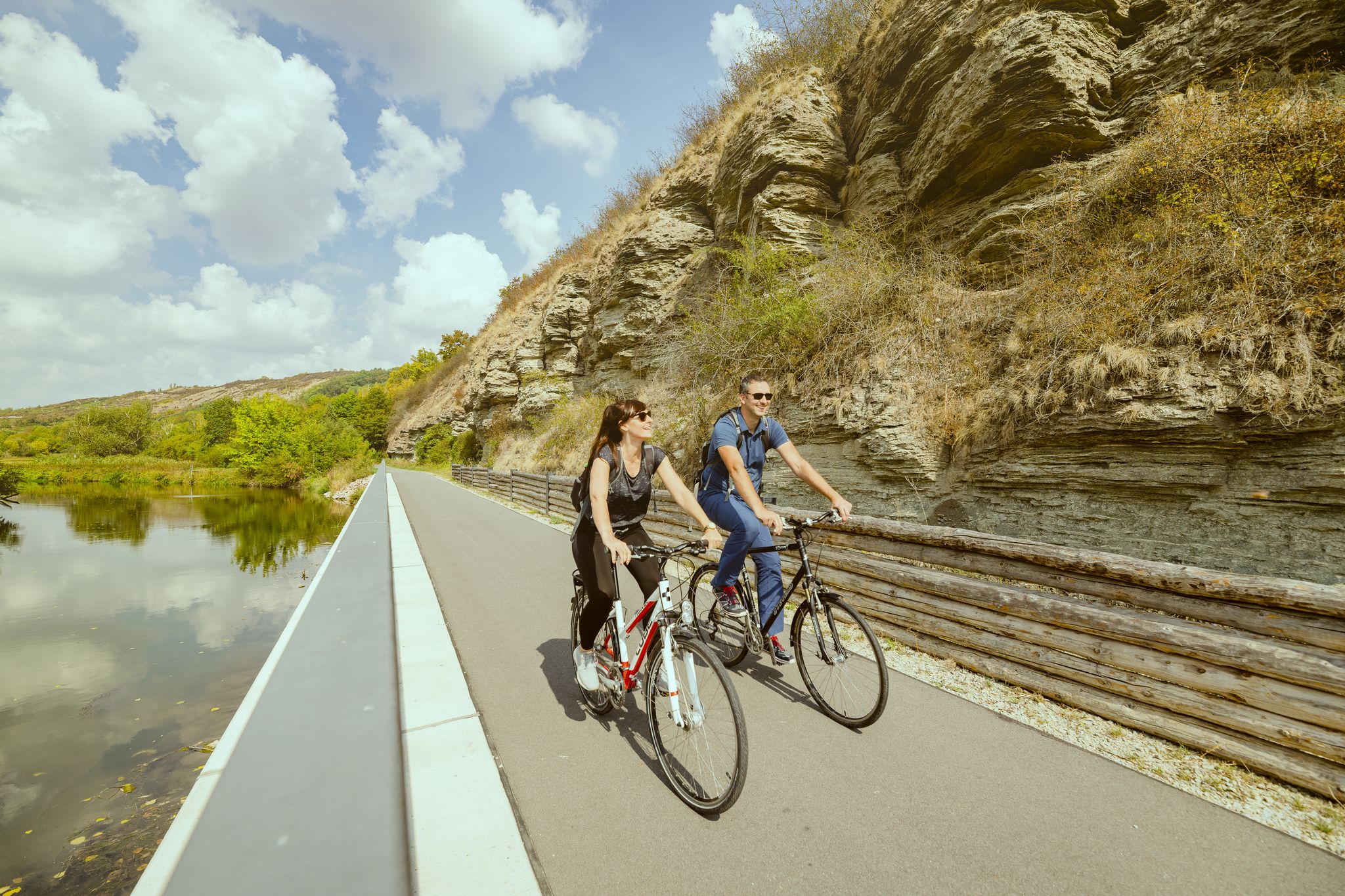
Unstrut Cycle Path – from the source in Eichsfeld to the River Saale
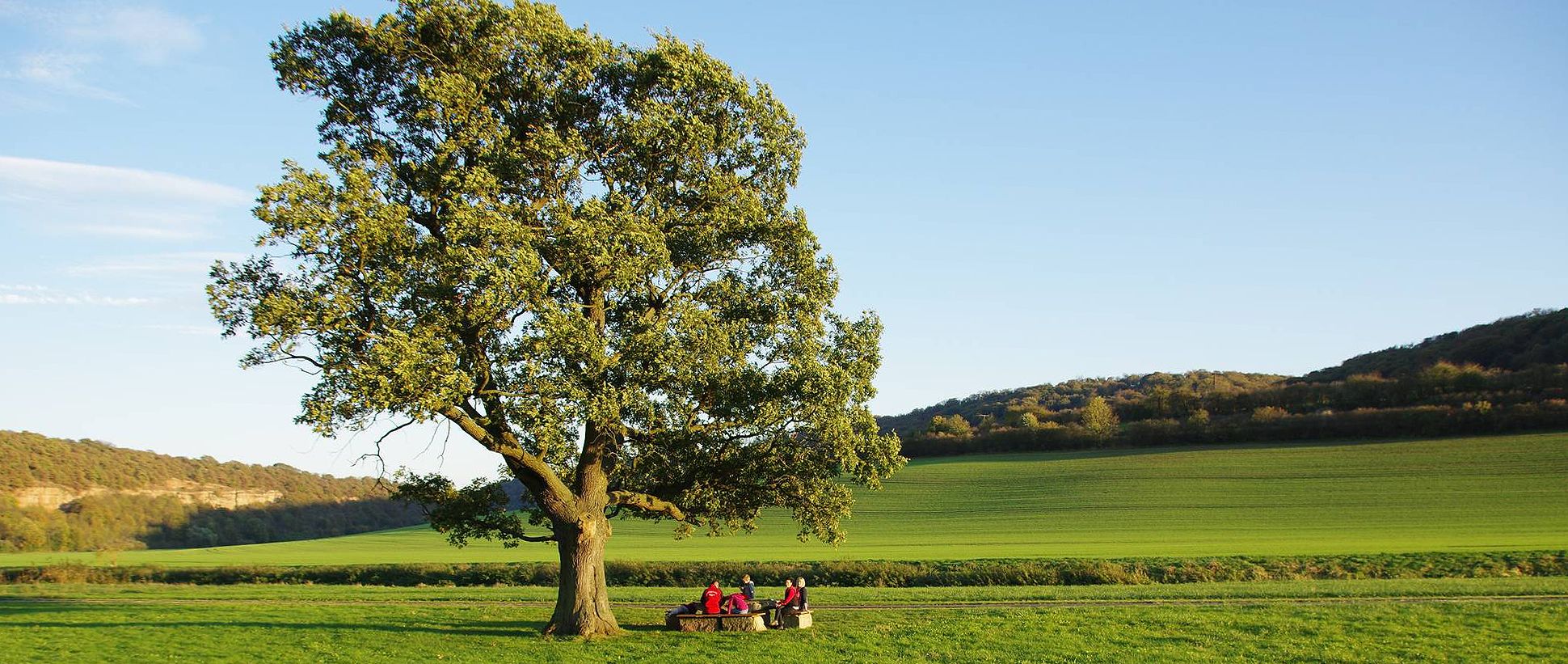
Unstrut cycle path — 4 days through Thuringia and Saxony-Anhalt
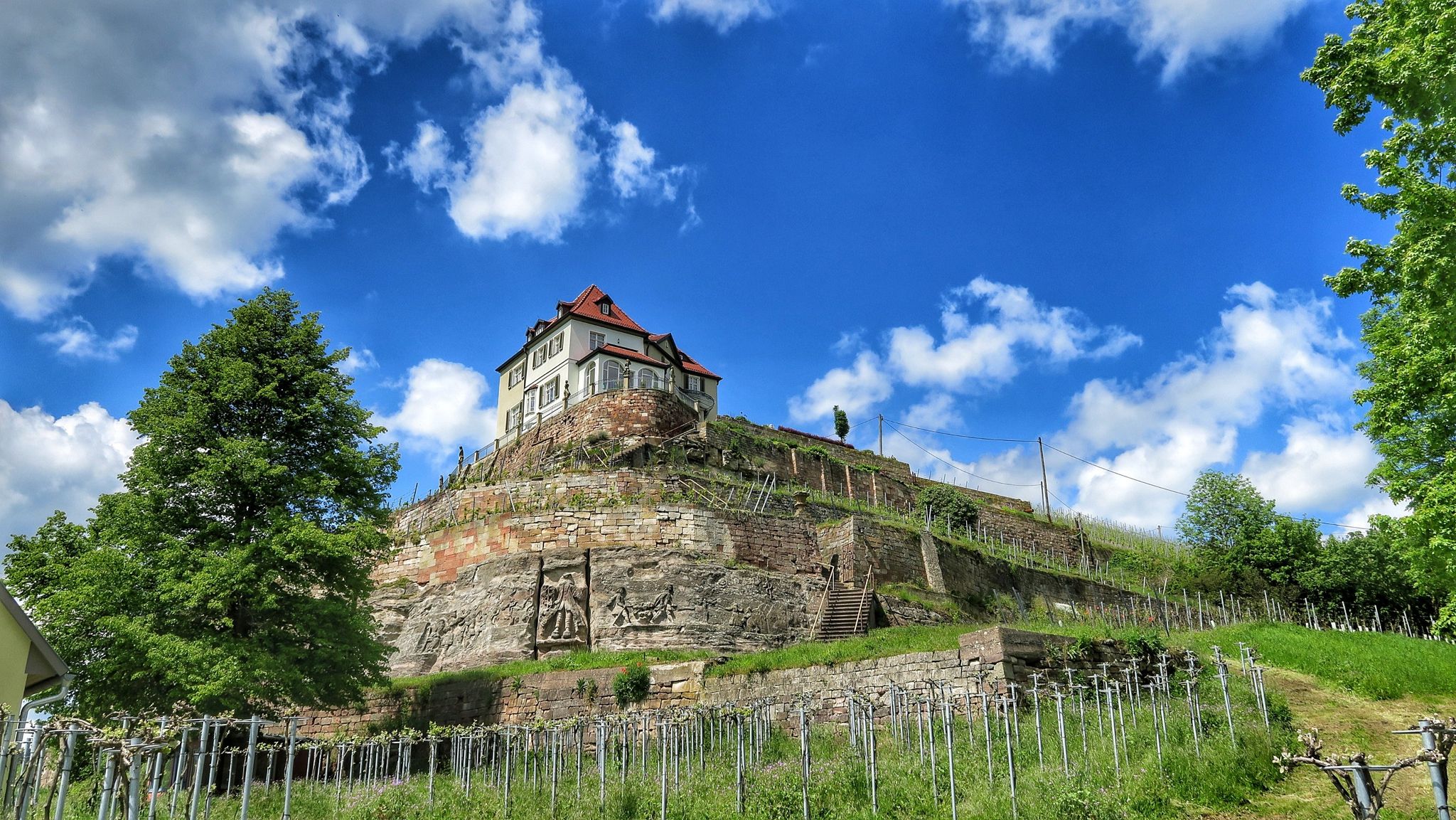
Ilmtal and Unstrut cycle paths – discover Thuringia in Germany by bike
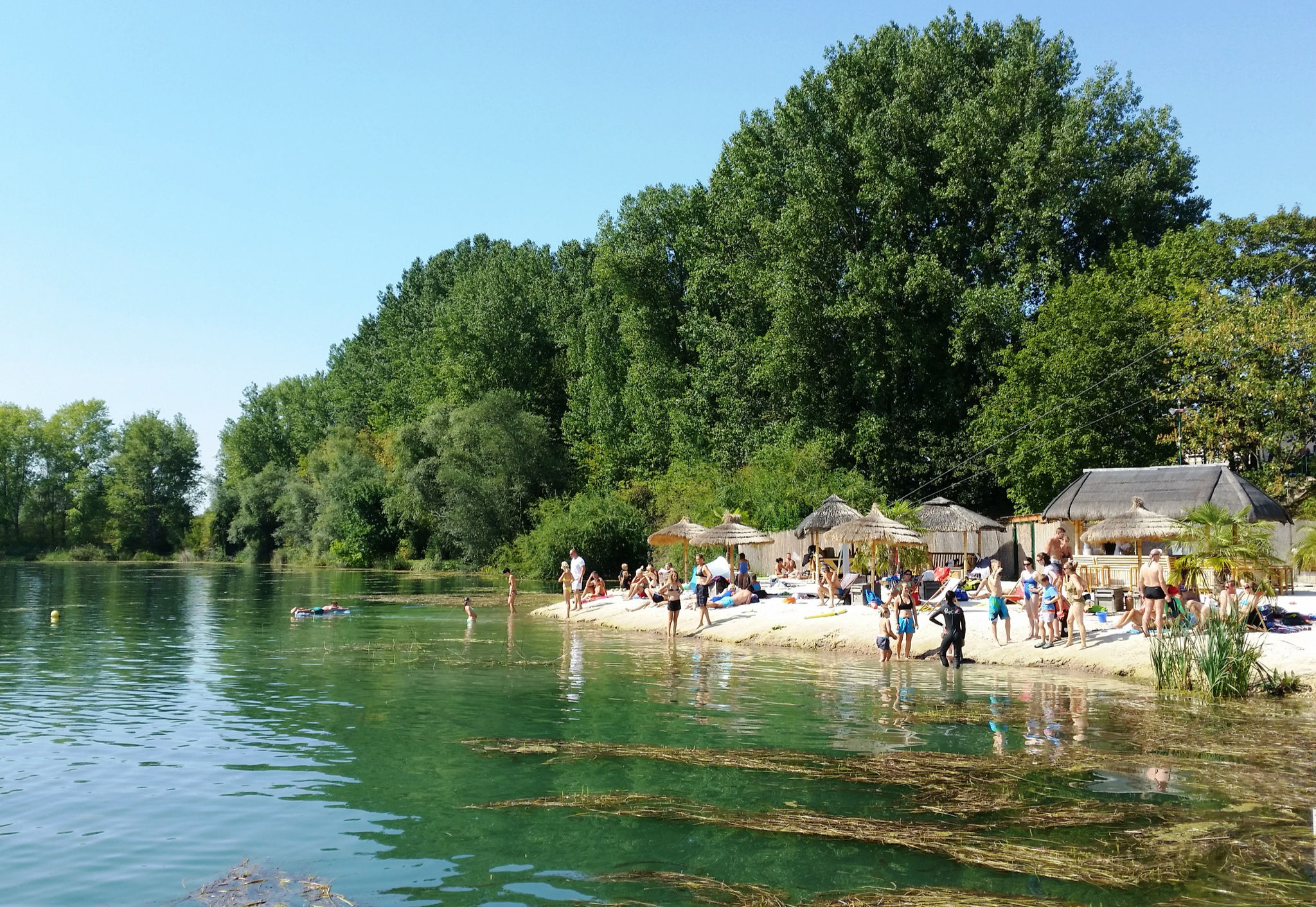
Sommer, Sonne, Wasser – Erfrischende Radtouren rund um Erfurt
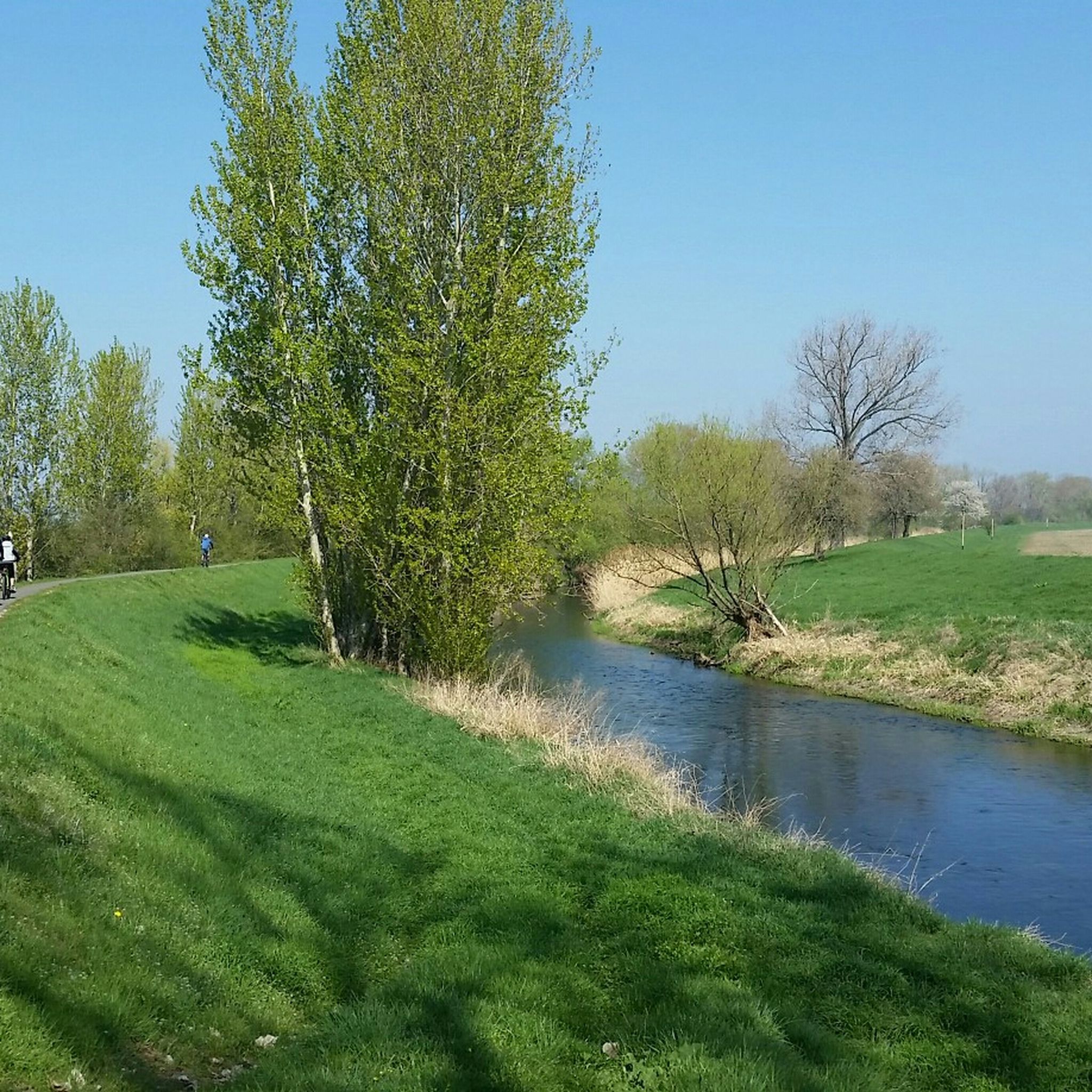
Cycling around Sömmerda
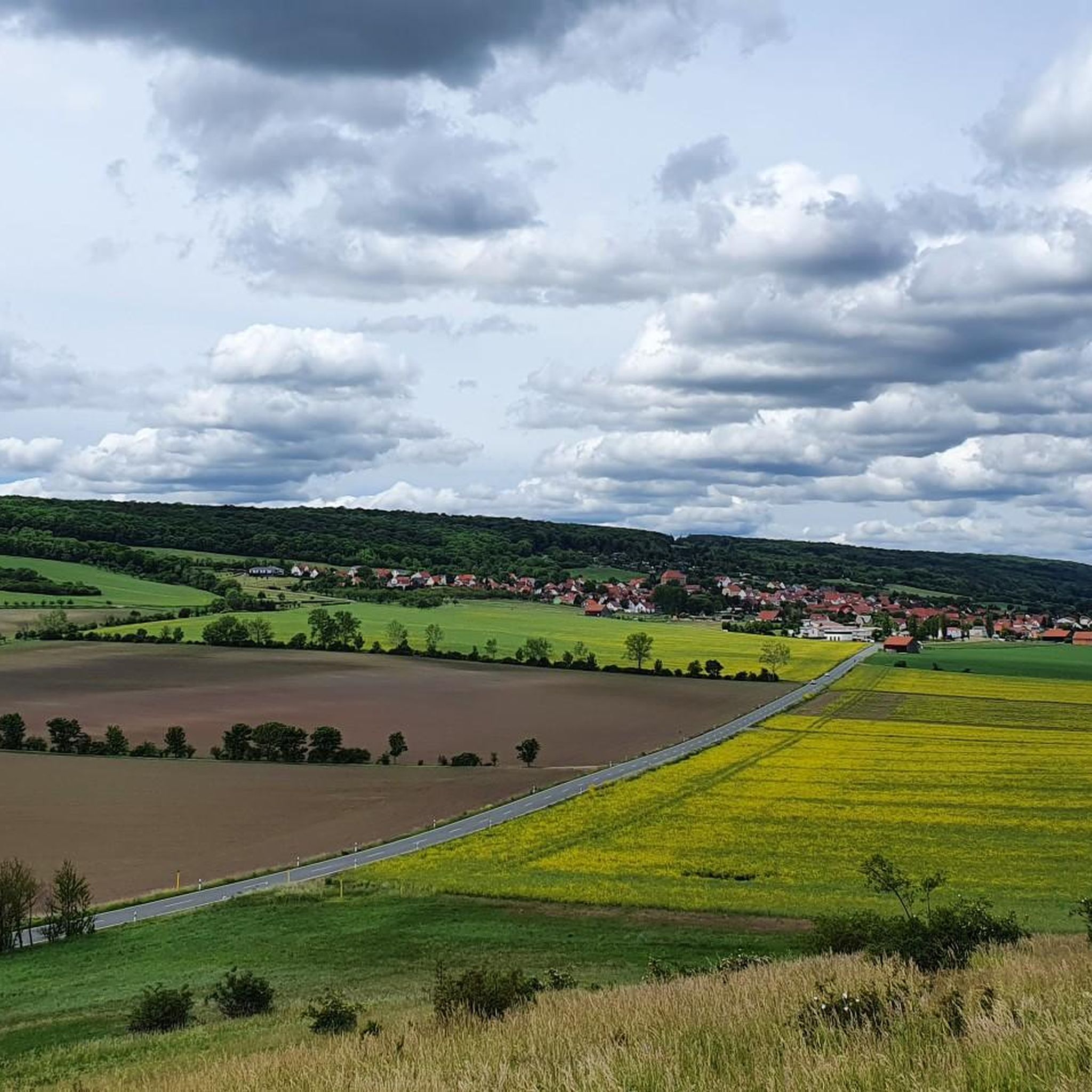
Hiking around Sömmerda
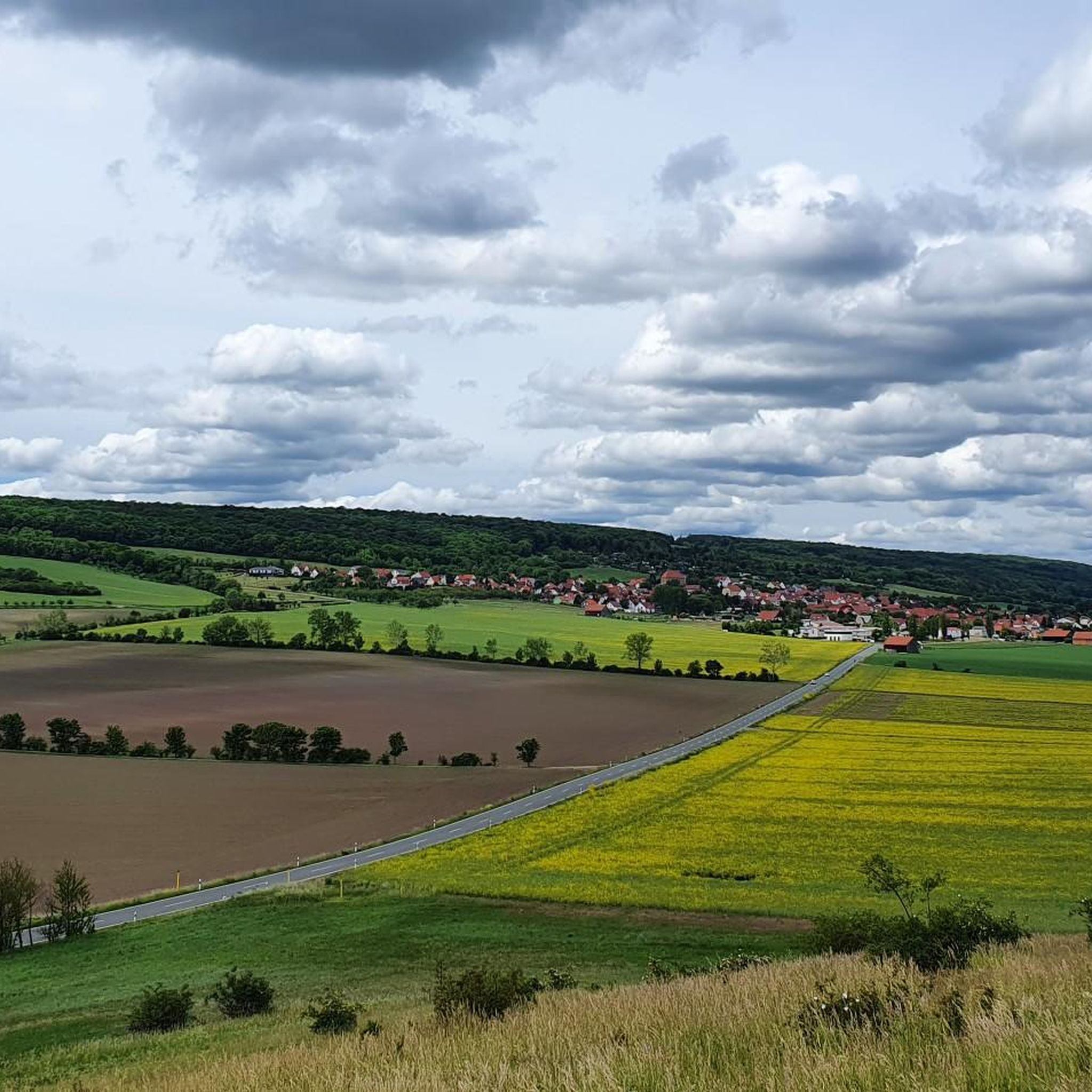
Road Cycling Routes around Sömmerda
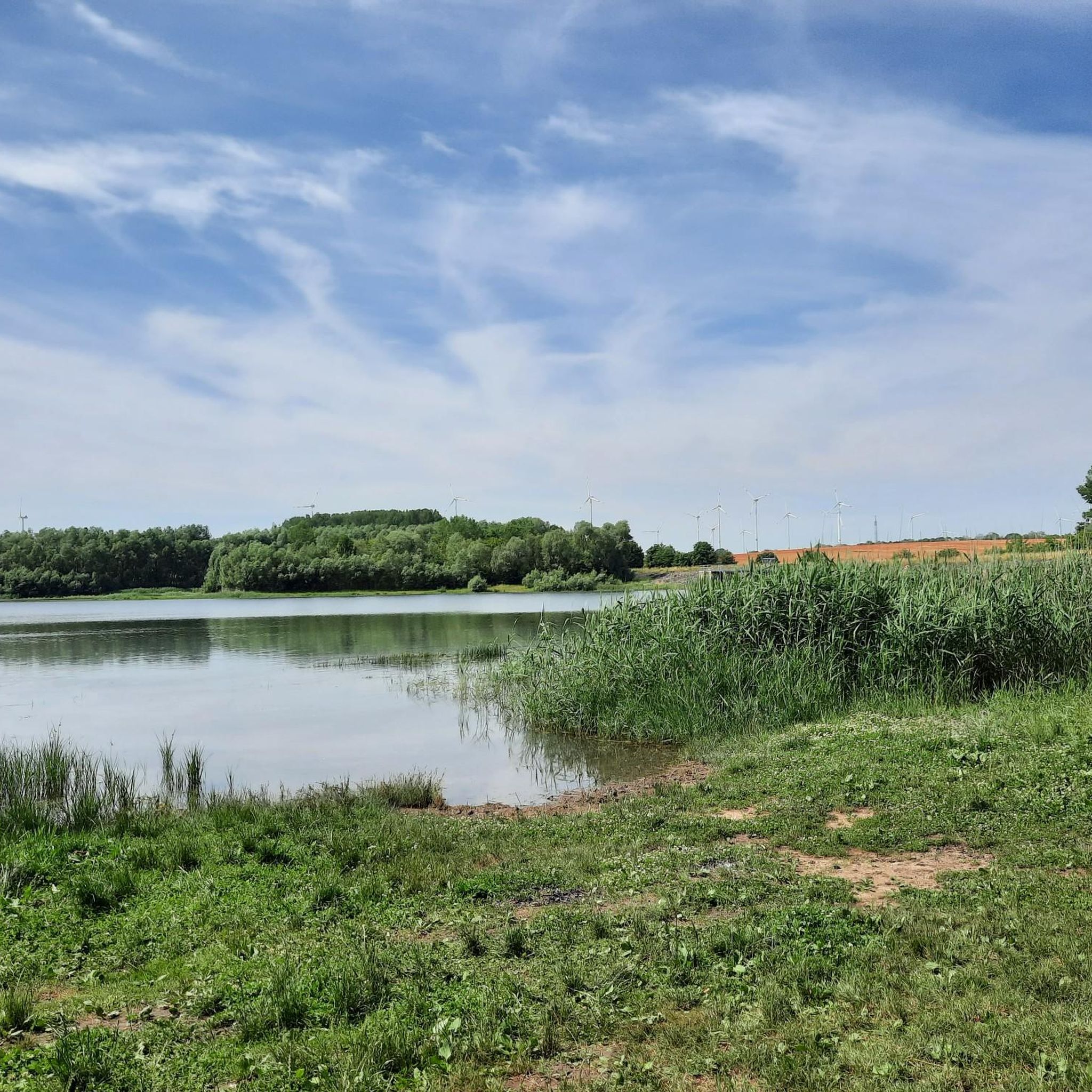
Running Trails around Sömmerda
MTB Trails around Sömmerda
Gravel biking around Sömmerda
Other adventures around Sömmerda


Tips from the Community

The Tafelberg castle site was a smaller motte castle in the Middle Ages on the southeastern outskirts of the town, which was probably built on a hill previously used as a cult site and is first indirectly mentioned in connection with noble ministerials of the Landgraves of Thuringia. In the 14th century, the castle came into the possession of the city of Erfurt and was used to secure trade routes, of which today only an approximately 20-meter-wide debris cone with a former moat remains, which is protected as a historical monument.
1
0

Schwellenburg is a dry grassland nature reserve north of Erfurt and offers a wonderful panorama of the surrounding area, extending as far as Erfurt and the northern Thuringian Basin, as far as the Schrecke, Kyffhäuser, and Heilinger Heights. A must-see for nature lovers.
0
0


The cult stone is nestled in the middle of the village and in a very beautiful area with numerous benches.
1
0

According to a legend, the two imprints in the stone come from the foot of a giant maiden and the horse's foot of the devil, both of which are said to have jumped here from the Wendelstein in ancient times.
1
0

The Gründelsloch near Kindelbrück is one of the most impressive and important karst springs in Thuringia. It was created by the dissolution of limestone in the subsoil. The resulting underground cavity collapsed in 1611, causing a sinkhole and the spring to emerge. The active karst spring, with a diameter of 22 m and a discharge of around 15,600 l per minute, has several older precursor springs that are lined up like a string of pearls from northwest to southeast in the area of the Kindelbrück fault zone and dried up again over time. Examples of these dried-up precursor springs are the Kuhborn, around 700 meters away, or the karst spring on the Steinrinne. Source: display board
9
0
The sun cult stone from Bilzingsleben was found near the Dornberg. It was initially used as a whetstone, later brought to the village with great effort and placed here in the Schenksgarten in 1982.
9
0

This is where the prince is buried - the owner of the Nebra Sky Disk. It is worth visiting the museum in Nebra. The original is in the museum in Halle.
0
0
Frequently Asked Questions
What unique natural features can I explore among Sömmerda's natural monuments?
The Sömmerda region offers a diverse range of natural features. You can discover impressive geological formations like the deep blue Gründelsloch Karst Spring, which formed dramatically from a sinkhole, or the gypsum keuper hill of Kippelhorn. The area also features unique ecosystems such as the dry grasslands of the Schwellenburg Nature Reserve, offering panoramic views, and the biodiversity-rich Haßleber Ried Nature Reserve.
Are there any significant nature reserves in the Sömmerda region?
Yes, Sömmerda is home to important nature reserves. The Haßleber Ried Nature Reserve, spanning 101 hectares, is a vital habitat for rare species like the marsh angelica and the dark crested azure butterfly. Another significant area is the Schwellenburg Dry Grassland Nature Reserve, known for its unique ecosystem and expansive views across the Thuringian Basin.
What kind of geological formations can be found among Sömmerda's natural monuments?
Sömmerda's natural monuments showcase fascinating geological formations. The most prominent is the Gründelsloch Karst Spring, a striking example of a sinkhole-formed spring with deep blue water due to high gypsum content. Another notable formation is Kippelhorn, a gypsum keuper hill that rises distinctly from the surrounding landscape, part of the Erfurt fault zone.
Are there natural monuments in Sömmerda with historical or legendary significance?
Absolutely. The Mägdesprung Rock is a natural monument steeped in local legend, said to bear footprints from a giant maiden and a hoof print from the devil's horse. Additionally, sites like the Leubingen Burial Mound and the Steinrinne Bilzingsleben Archaeological Site, while primarily historical, are also categorized as natural monuments, offering a blend of natural beauty and ancient history.
Are there family-friendly natural monuments to visit in Sömmerda?
Many natural monuments in Sömmerda are suitable for families. The Gründelsloch Karst Spring is an impressive sight for all ages with its vibrant blue water. The Mägdesprung Rock offers a fun legend for children. Historical sites like the Leubingen Burial Mound and the Steinrinne Bilzingsleben Archaeological Site also welcome families, providing educational and engaging experiences.
What outdoor activities can I do near these natural monuments?
The Sömmerda region offers various outdoor activities. You can find numerous routes for cycling, hiking, and running. For example, there are MTB trails around Sömmerda, easy hikes, and running trails that allow you to explore the natural beauty, including areas near the Haßleber Ried and the Riethnordhäuser Ponds.
Are there hiking trails near Sömmerda's natural monuments?
Yes, the Sömmerda area provides several hiking opportunities. You can find easy hikes around Sömmerda that lead through scenic landscapes and past natural monuments. For instance, routes near the Haßleber Ried Nature Reserve offer chances to observe rare species while enjoying a walk.
What do visitors enjoy most about the natural monuments around Sömmerda?
Visitors frequently highlight the unique natural phenomena and the peaceful atmosphere. The deep blue color of the Gründelsloch Karst Spring is often praised as a special sight. Many appreciate the opportunity to connect with nature and history, especially at sites like the Steinrinne Bilzingsleben Archaeological Site, where archaeology is vividly presented.
Can I find specific trees or forests designated as natural monuments?
Yes, the region includes specific trees recognized as natural monuments. An example is the Brauteiche (Quercus robur L.), a notable oak tree that stands as a protected natural feature within the local forest landscape.
Are there any natural monuments that are also lakes or ponds?
Yes, the Riethnordhäuser Ponds are designated as a natural monument. These ponds offer a tranquil setting and are recognized for their natural significance within the Sömmerda district.
What is the best time to visit the natural monuments in Sömmerda?
The natural monuments around Sömmerda can be enjoyed throughout the year, depending on your interests. Spring and summer are ideal for observing the rich biodiversity of areas like the Haßleber Ried and for enjoying outdoor activities. The Gründelsloch Karst Spring is visually striking in any season, with its deep blue water. Autumn offers beautiful foliage, while winter can provide a serene, quiet experience, especially for hiking.
Are any natural monuments in Sömmerda wheelchair accessible?
While many natural monuments involve natural terrain, some sites offer better accessibility. The Sun Cult Stone of Bilzingsleben is listed as wheelchair accessible, providing an opportunity to experience a site with both historical and natural monument significance.
Most popular routes around Sömmerda
Most popular attractions around Sömmerda
Get inspired with the komoot mobile app


Didn’t find what you were looking for?
Find even more amazing natural monuments around Sömmerda by checking out the top Highlights region by region:
Explore more
Extend your search for the best caves by checking out these guides of the top ones around Sömmerda: