Top 13 Natural Monuments around Juià
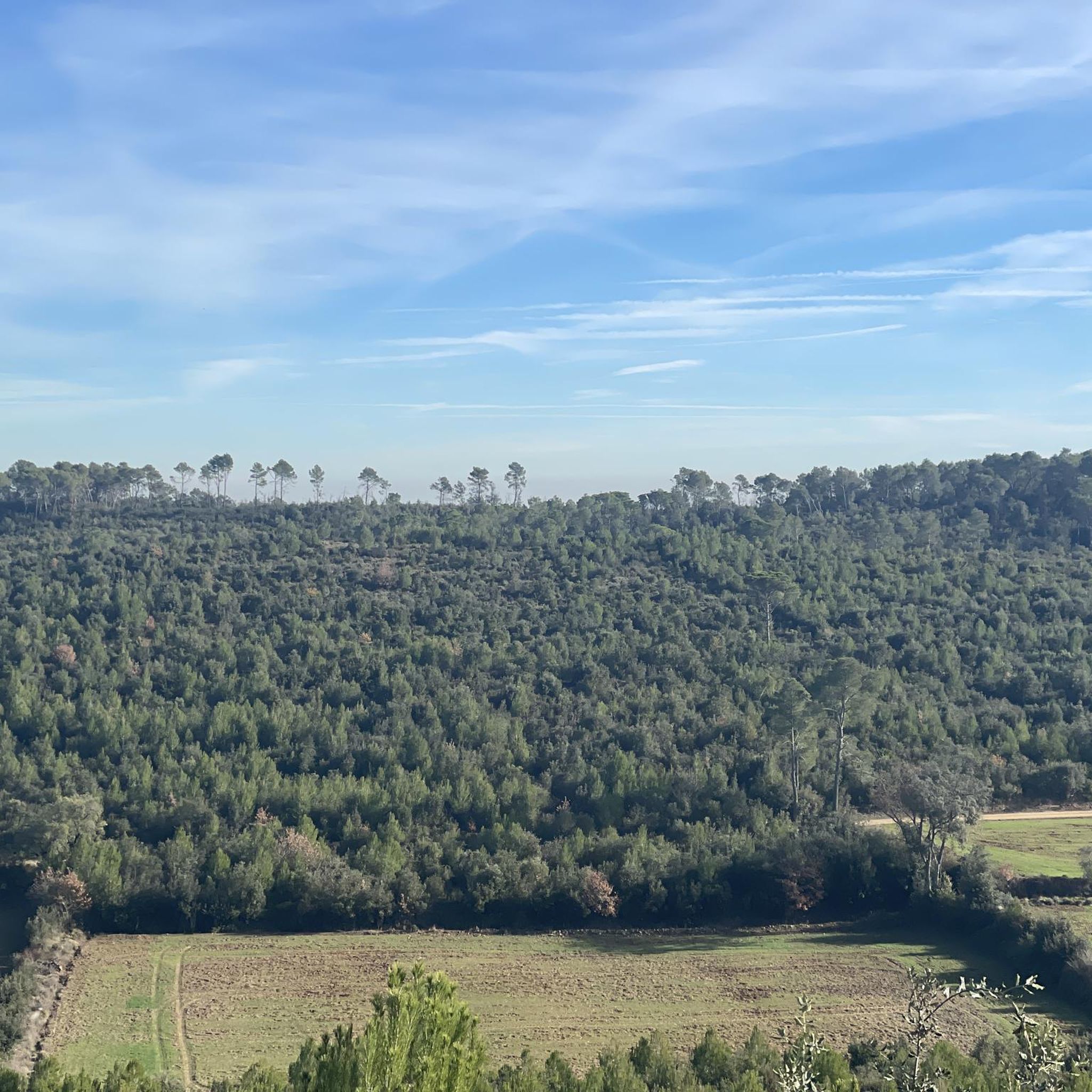
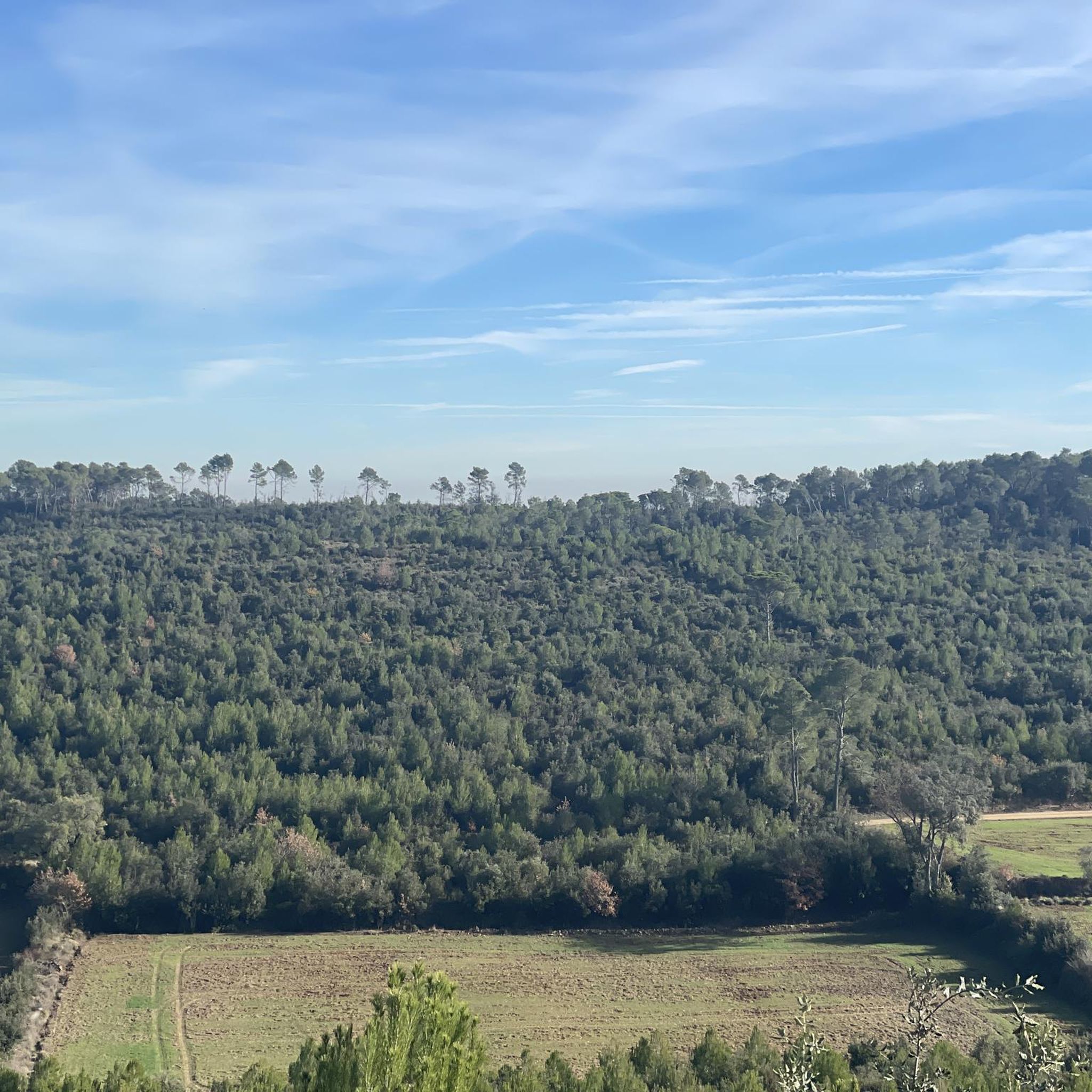
Best natural monuments around Juià are found within the Gironès region of Catalonia, characterized by its rural charm and position within the northern sector of the Gavarres massif. The area features extensive forests of holm oaks, cork oaks, and pines, providing a rich natural environment. While Juià itself is compact, it is in proximity to significant natural features and offers a landscape ideal for exploration.
Best natural monuments around Juià
- The most popular natural monuments is Devesa Park, a…
Last updated: July 14, 2026
Castell de Palagret
Highlight • Castle
Translated by Google •
Tip by

Montigalar Summit
Highlight • Summit
Tip by

Sign up now to discover places like this
Get recommendations on the best single tracks, peaks, & plenty of other exciting outdoor places.
Sign up for free
El Surolí Tree
Highlight • Natural Monument
Translated by Google •
Tip by

Font de les Núvies
Highlight • Natural Monument
Translated by Google •
Tip by
Sculpture Forest (Bosc de les Escultures)
Highlight • Structure
Translated by Google •
Tip by
Sign up for free to discover even more natural monuments around Juià.
Sign up for free
Already have an account?
Start today with a free account
Your next adventure awaits.
Login or Signup
Tips from the Community

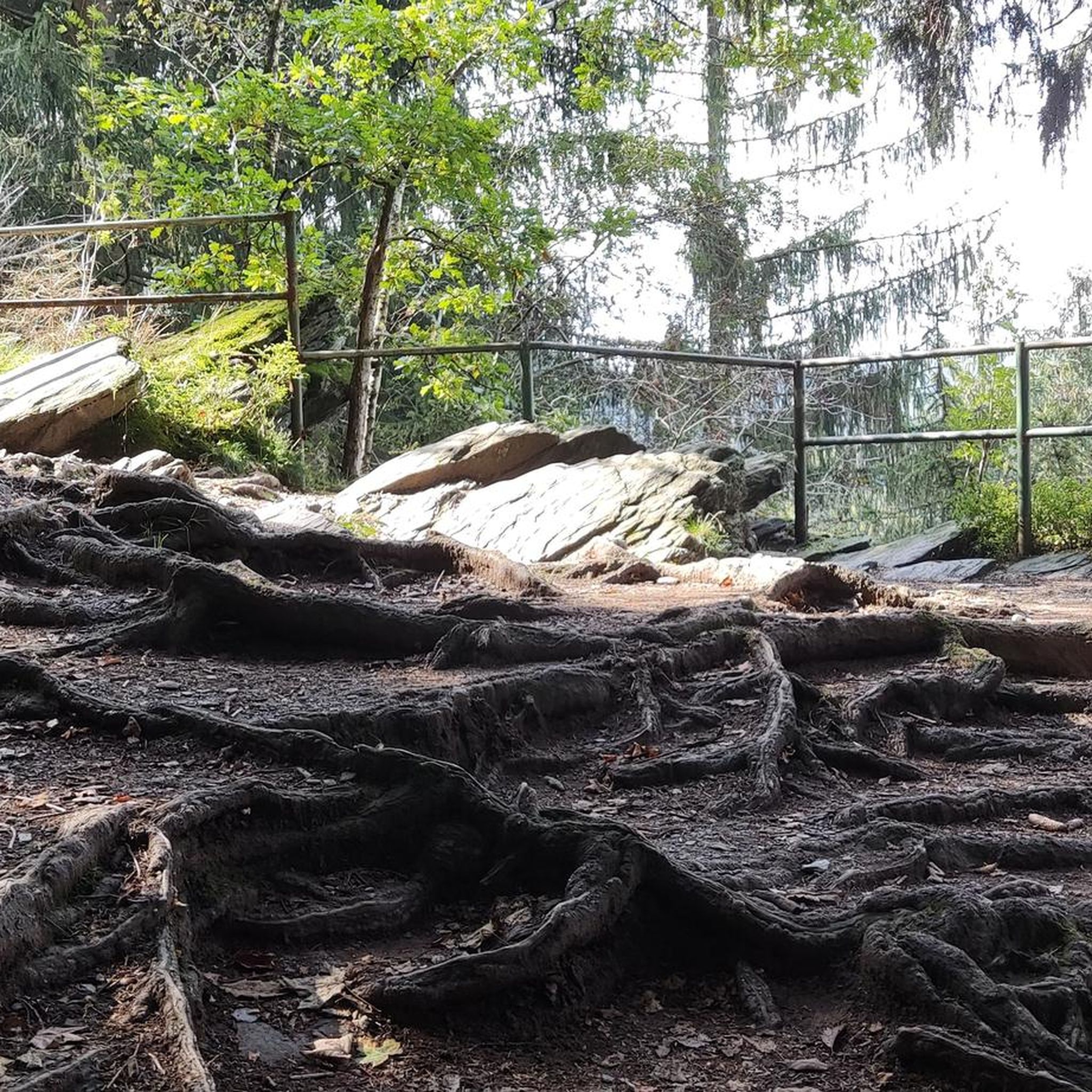
The Bosc de les Escultures is located less than 30 minutes from the centre of Girona and is a place that connects to different routes in the area. The arrival at this monument is accessible to all people except those in wheelchairs as they cannot move around the terrain. The ideal time to go is in autumn because of the colour that the fallen leaves can provide. The sculptures have a mystical touch, some of them have marbles in their eyes or are painted an intense blue, which gives the sensation that they are really watching you.
0
0

The castle of Palagret or Mabarrera is in the middle of the Palagret valley, at the top of a small hill, 178 m high, in the northernmost foothills of the Gavarres massif to the south-east of the Celrà center and to the south- west of Juià. Strategically located to control the Roman-era road that allowed access to Girona from the Baix Empordà through the Gavarres. Important medieval vestiges of the licorella walls of a rectangular construction as well as pre-Romanesque elements are preserved from the castle. The preserved remains could be dated to the 10th and 11th centuries,[1] and its last occupants left the premises between the end of the 15th century and the beginning of the 16th.[2] It is a building in Celrà (Gironès) declared a cultural asset of national interest.
0
0

It is a tree that is located one kilometer from the Sanctuary of Los Angeles. The surolí is a mixture of cork oak and holm oak and there are some specimens in Las Gavarras. This one in particular was the testimony of a love story: Legend has it that once upon a time there was a couple in love who loved each other very much. They had considered getting married but the boy had to do the service and was assigned far away from his mistress. The girl, sad, prayed to the Mother of God that her beloved would return soon and every time she passed in front of the surolí she threw stones. At the third time, the stone stuck. At the age of three, the boy returned and they were able to get married. From there the tradition was born that all single boys and girls went to the surolí to throw stones at it. They had to throw so many stones for it to stay hooked, so many years would pass until they found a husband or wife.
1
0
Beautiful place
1
1
The forest itself transmits peace, we believe that autumn is the ideal time for the color that the fallen leaves can bring. The sculptures, in our opinion, have a mystical touch that we really liked. Some of them have marbles in their eyes or are painted a deep blue, it gives the feeling that they are really looking at you. Be careful not to miss any, in the least expected corner you will find one.
2
1

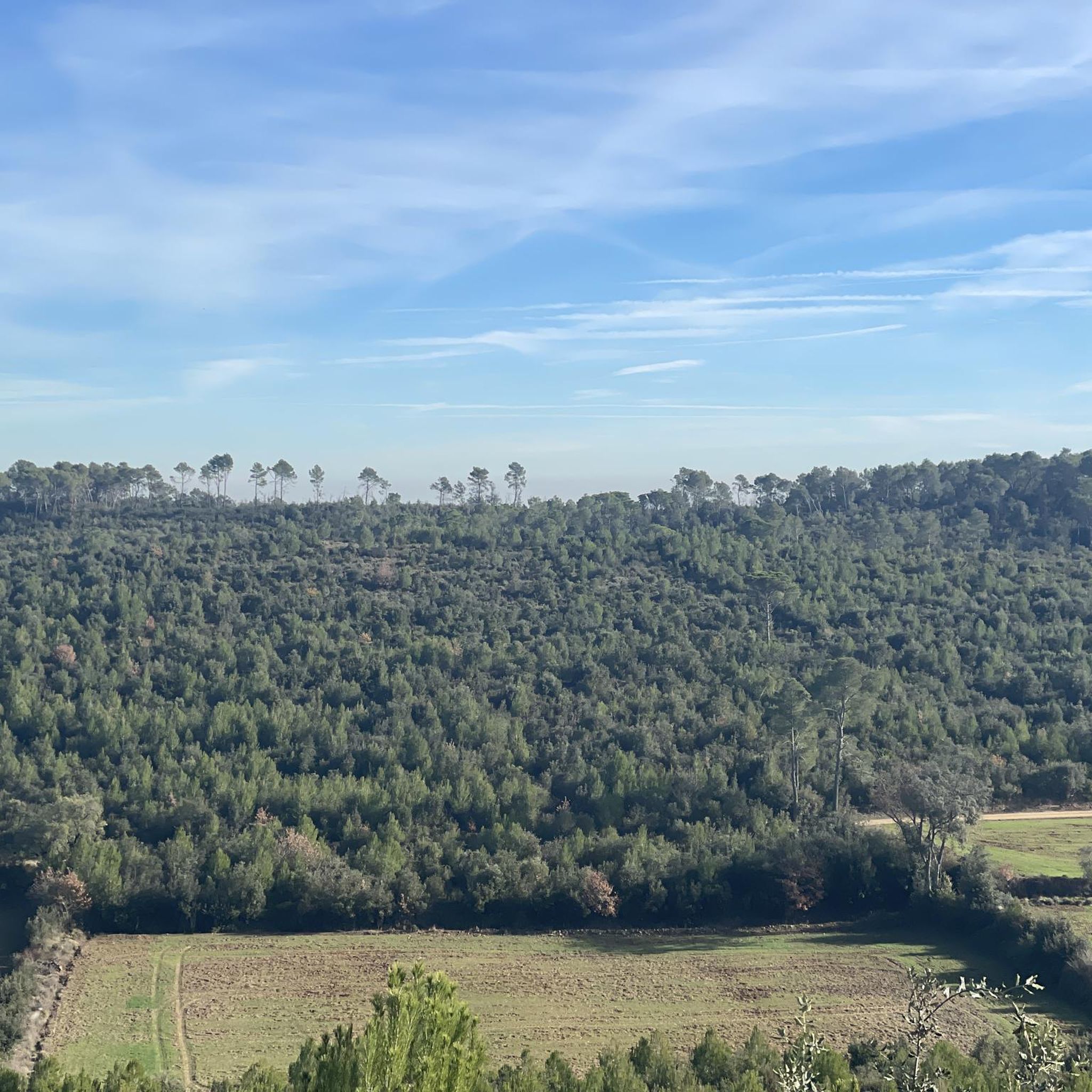
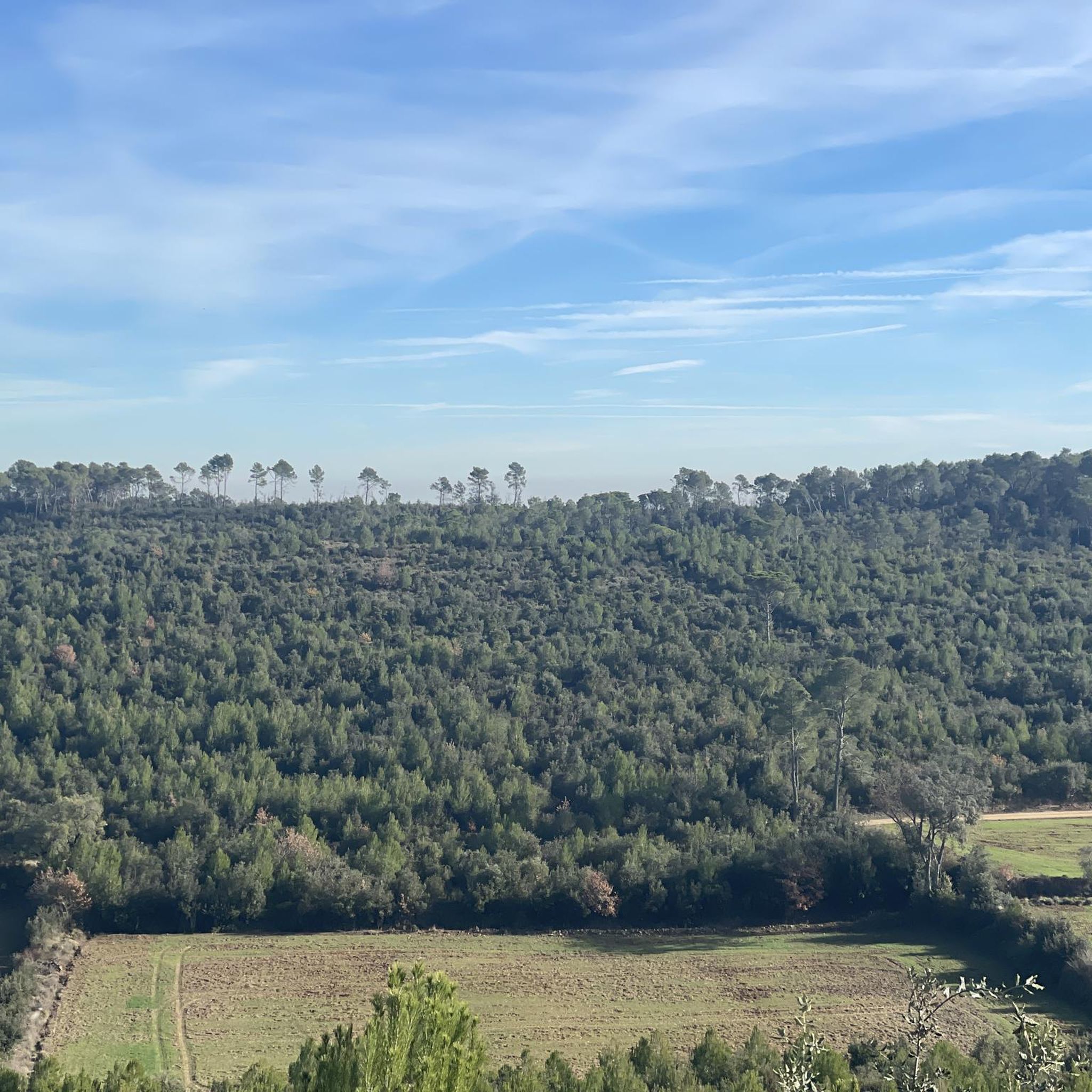
Montigalar (467m) or Montigalar Gros (to differentiate it from Montigalar Petit (377m) which is 720m to the SW) is a mountain in the Gavarres that is included in the list of 100 peaks of the F.E.E.C. https://www.feec.cat/activitats/100-cims/cim/montigalar/ At its rocky summit we find a geodesic vertex and some andromines that certain hikers like to decorate the mountain tops. If the day is clear we will be able to enjoy some magnificent panoramas, so towards the NE we could distinguish Sant Salvador Saverdera, El Perní, the Bay of Roses, El Puig Rodó, Montplà (Montgrí), among others...
0
0
Font retrona nuvies or font de la nuvia is located a little to the west of font d'en soldat, next to Can Marcó del Clot. Its name comes from a small story: in the past, everything was done on foot. Including weddings. It is said that at one of these weddings, they walked so much that the bride fainted from exhaustion and they redid her in this spring. Hence the name “retrona nuvies”: The fountain of the bride is located in the fetgera valley, so named because of the healing properties that water was believed to have to cure liver ailments.
0
1

It was incredible to get to this point and find this Castle, without a doubt a one hundred percent recommended place to visit
4
0
Frequently Asked Questions
What unique natural features can I discover around Juià?
Beyond the extensive forests of holm oaks and cork oaks in the Gavarres massif, you can find unique natural features like El Surolí Tree, a rare hybrid of cork and holm oak with local folklore. Further afield, the Crosa Volcano, near Girona, boasts the largest crater on the Iberian Peninsula, offering a glimpse into the region's geological past.
Where can I find the best panoramic views of the region?
For spectacular vistas, head to Montigalar Summit, located on a rock outcropping in the Gavarres natural reserve. It offers breathtaking panoramas of the Alt i Baix Empordà and views extending to the sea. Another excellent spot for incredible views of the surrounding environment and the Palagret creek valley is Castell de Palagret.
Are there any natural monuments with historical or cultural significance?
Yes, Castell de Palagret, though in ruins, is a castle that serves as a natural monument, offering a blend of history and natural beauty. Additionally, El Surolí Tree is steeped in local folklore, being the subject of a romantic legend. Devesa Park in Girona is also cataloged as a cultural asset of national interest.
Are there family-friendly natural monuments suitable for children?
Absolutely. Devesa Park, the largest urban park in Catalonia with over 2,500 plane trees, is perfect for family strolls. El Surolí Tree, with its unique hybrid nature and charming local legend, can also be an engaging stop for families. The Sculpture Forest (Bosc de les Escultures) offers a peaceful and mystical experience that many families enjoy.
What outdoor activities can I do near the natural monuments around Juià?
The area around Juià is excellent for various outdoor activities. You can explore numerous hiking trails, such as the 'Hermitage of Sant Joan Salern – Castell de Palagret loop' or the 'Lime kiln of An Guich – Castell de Palagret loop'. For cycling enthusiasts, there are road cycling and gravel biking routes available. You can find more details and routes in the Hiking around Juià, Road Cycling Routes around Juià, and Gravel biking around Juià guides.
Are there specific hiking trails that visit natural monuments?
Yes, several hiking trails incorporate natural monuments. For example, the 'Montigalar Summit – Balcó de les Bruixes Viewpoint loop' takes you to Montigalar Summit. Another trail, 'El Surolí Tree – Puig Alt (Els Àngels) 488m loop', includes a visit to El Surolí Tree. You can discover more options in the Hiking around Juià guide.
What is the best time of year to visit the natural monuments around Juià?
The Gavarres massif, where many natural monuments are located, offers a rich natural environment year-round. However, autumn is particularly recommended for visiting the Sculpture Forest (Bosc de les Escultures) due to the vibrant colors of the fallen leaves. Generally, spring and autumn provide pleasant temperatures for hiking and exploring the region's natural beauty.
Are the natural monuments around Juià accessible for everyone?
While many natural areas involve uneven terrain, some spots offer better accessibility. For instance, the Sculpture Forest (Bosc de les Escultures) is generally accessible to most people, though it may not be suitable for wheelchairs due to the natural terrain. Devesa Park, as an urban park, offers paved paths suitable for a wider range of visitors.
What should I bring when visiting natural monuments in the Juià area?
When visiting the natural monuments around Juià, it's advisable to bring comfortable walking shoes, especially if you plan to hike to viewpoints like Montigalar Summit. Water, snacks, and appropriate clothing for the weather are also recommended. For places like Montigalar Summit, a visitor book is available, so you might want to bring a pen.
Are there any hidden natural gems around Juià that are less known?
While not extensively documented, the Gavarres massif itself holds many hidden corners. The Castell de Palagret is described as a 'hidden and little-known environment' with a fantastic landscape. Exploring the numerous trails within the Gavarres can lead you to discover your own secluded natural spots.
What makes <a href="https://www.xenvaroqil.info/highlight/5090191" target="_blank" rel="noopener">Devesa Park</a> a significant natural monument?
Devesa Park is significant as the largest urban park in Catalonia. It spans 40 hectares and is home to over 2,500 plane trees, many of which are over 170 years old and exceed 60 meters in height. Its impressive scale and historical planting make it a remarkable natural and cultural asset.
Can I visit the Crosa Volcano from Juià?
While the Crosa Volcano is not directly in Juià, it is a significant natural monument in the broader region and the closest volcano to Girona, a common gateway to areas including Juià. It's easily accessible by car and offers a compelling look into the region's geological past with its immense crater and diverse ecosystem. It makes for an excellent day trip from Juià.
Most popular attractions around Juià
Get inspired with the komoot mobile app


Explore more
Extend your search for the best caves by checking out these guides of the top ones around Juià: