Top 20 Natural Monuments around Tarzo
Best natural monuments around Tarzo are located in the province of Treviso, Italy, offering a variety of natural and historical sites. The region's landscape features formations shaped by ancient geological events, including intravalley lakes and pre-Alpine peaks. Visitors can explore a mix of natural features and historical structures integrated into the environment. The area provides opportunities to experience local geography and cultural heritage.
Best natural monuments around Tarzo
- The most popular natural monuments is Molinetto della Croda, a man-made…
Last updated: July 25, 2026
Lake Morto
Highlight • Lake
Here is a picnic area where you can relax and enjoy a well-deserved break.
Translated by Google •
Tip by

Molinetto della Croda
Highlight • Monument
In its almost four centuries of history it has inspired artists …
Translated by Google •
Tip by

Sign up now to discover places like this
Get recommendations on the best single tracks, peaks, & plenty of other exciting outdoor places.
Sign up for free
Terraced Vineyards of Rolle
Highlight • Viewpoint
Translated by Google •
Tip by
Brent de l'Art
Highlight • Gorge
Translated by Google •
Tip by

Mount Pizzoc
Highlight • Summit
Translated by Google •
Tip by

Sign up for free to discover even more natural monuments around Tarzo.
Sign up for free
Already have an account?
Start today with a free account
Your next adventure awaits.
Login or Signup


Tips from the Community

The Brent de l'Art are one of Veneto's most fascinating hidden treasures, located in the province of Belluno, specifically in Sant'Antonio Tortal. They are not simple caves, but imposing canyons carved into the rock by the millennia-old erosive action of the Ardo stream. Their most spectacular feature lies in the rock walls, which display perfect, warm-toned stratifications, ranging from brick red to grey and white, creating a breathtaking chromatic contrast with the clear waters of the stream. This almost science-fiction-like landscape, reminiscent of the famous American canyons in miniature, was formed by the friction of water, pebbles, and ice over thousands of years. The site is easily accessible with a short walk through the woods and is a must-see destination for lovers of trekking, photography, and rural geology.
0
0
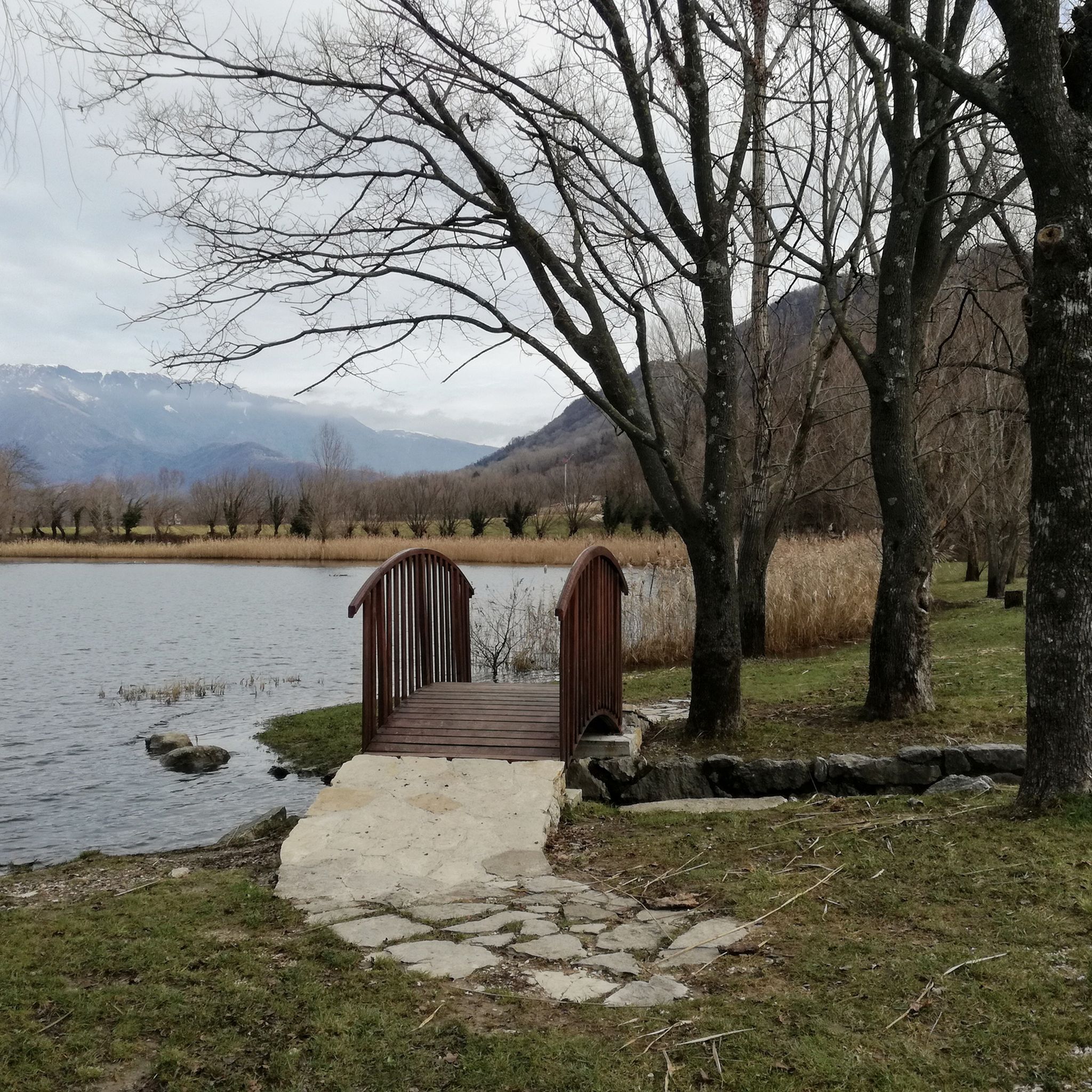
Lago Morto is a striking body of water located in Val Lapisina, in the municipality of Vittorio Veneto, right at the foot of the Treviso side of the Sella di Fadalto pass. Its peculiar name derives from a unique geographical characteristic: it is a lake devoid of visible surface outlets and inlets, as it is fed and emptied exclusively through underground karst pathways. The basin, surrounded by steep wooded slopes and imposing rocky walls, is characterized by deep and cool waters. Today, the lake plays a fundamental role in hydroelectric power production, being connected to the valley's power plant system that utilizes the waters coming from the overlying Lago di Santa Croce. Despite the industrial footprint, the area is a popular destination for relaxing walks, picnics, and sport fishing.
0
0

Very beautiful if the sky is clear, very suggestive if it is cloudy
0
0

Pizzoc is a mountain in the Treviso Prealps. It reaches 1,565 meters above sea level, making it one of the highest points in the municipality of Fregona and the province of Treviso, to which it belongs.
0
0

beautiful panoramic summit near the Rigugio
0
0

This viewpoint allows you to enjoy a fantastic 360° panorama, easy to reach, there are benches with tables for any lunch break, very large. beautiful.
0
0

The Brent de l'Art are gorges delimited by rock walls, dug over time by the Ardo torrent. They derive from a change in the course of the Ardo, which occurred due to the clogging of the original riverbed by a landslide
2
0

So called because it has no tributaries and emissaries, Dead Lake is an intravalley lake formed through landslide accumulations that occurred at the end of the ice age. With its 55 m depth, and a reservoir of approximately 20 million square meters of water, it is the largest of the three lakes in the municipality of Vittorio Veneto. It is fed by underground infiltrations that come from Lake Santa Croce and by karst springs from the right side of Col Visentin. Like the underlying Restello and Negrisiola, arranged in succession, these semi-artificial basins were "built" on ancient basins left by the glacier that descended from the Lapisina Valley and in which mirrors of lake water had taken place. In fact, Val Lapisina is what remains of the branch of an ancient glacier that followed the current course of the Piave. The branch, in turn, divided, forming on one side what is today the Valley and on the other the morainic amphitheater located between Vittorio Veneto and Conegliano.
2
0
Frequently Asked Questions
What are some of the most popular natural monuments to visit around Tarzo?
Visitors frequently enjoy the historic Molinetto della Croda, a 17th-century mill built on rock next to a 12-meter waterfall. Another favorite is the Terraced Vineyards of Rolle, offering panoramic views of UNESCO heritage vineyards. For expansive vistas, Mount Pizzoc provides breathtaking 360-degree views from one of the highest points in the Treviso Pre-Alps.
Are there family-friendly natural monuments in the Tarzo area?
Yes, several natural monuments are suitable for families. The Molinetto della Croda, with its historic mill and waterfall, is a captivating spot for all ages. Lake Morto also features picnic areas, making it a pleasant stop for families to relax and enjoy the scenery.
What kind of natural features can I expect to see around Tarzo?
The region around Tarzo offers a diverse range of natural features. You can explore serene lakes like Lake Morto, which is unique for having no tributaries or emissaries. There are also impressive waterfalls, such as the one next to the Molinetto della Croda, and panoramic viewpoints from summits like Mount Pizzoc and the Terraced Vineyards of Rolle.
Are there historical sites among the natural monuments?
Yes, the area beautifully blends natural beauty with historical significance. The Molinetto della Croda is a 17th-century mill that now functions as a museum. Mount Pizzoc, while a natural summit, also has historical ties as a former NATO radar base during the Cold War. Additionally, the Bosco delle Penne Mozze is a poignant memorial surrounded by nature, dedicated to fallen Alpine soldiers.
What outdoor activities can I do near these natural monuments?
The Tarzo area is excellent for various outdoor activities. You can find numerous routes for running, road cycling, and touring bicycle. For example, there are running loops around Lake Santa Maria and Lago di Lago, road cycling routes like the 'Muro di Ca' del Poggio Loop', and touring bicycle routes that take you past Lake Morto or the Lakes of Revine. You can explore more options in the Running Trails around Tarzo, Road Cycling Routes around Tarzo, and Cycling around Tarzo guides.
What is the best time of year to visit the natural monuments around Tarzo?
The region is beautiful throughout the year, but spring and autumn offer pleasant temperatures for exploring. The Terraced Vineyards of Rolle are particularly scenic during harvest season in autumn. For panoramic views from high points like Mount Pizzoc, clear days are essential, which are more common outside of peak winter or summer storm seasons.
Are there any easy walks or beginner-friendly trails among the natural monuments?
Yes, for an easier experience, you can circumnavigate Lake Morto on foot. The path around the lake is generally accessible. The area around Molinetto della Croda also offers a gentle setting to explore the mill and waterfall.
What makes Lake Morto unique?
Lake Morto is an intravalley lake formed by landslide accumulations at the end of the ice age. Its most distinctive feature is that it has no visible tributaries or emissaries, contributing to its tranquil and somewhat mysterious character. Despite its name ('Dead Lake'), it is a beautiful Alpine body of water, with water recycling likely occurring through underground karst basins.
What kind of views can I expect from Mount Pizzoc?
From the summit of Mount Pizzoc, you can enjoy an exceptional and vast panorama on clear days. The views extend from the Euganean Hills to the Venetian Lagoon and even to the Gulf of Trieste. To the north, you can see the Cavallo group and the Alpago mountains, while to the west, the Cesen - Col Visentin ridge and the Revine lakes are visible.
Is Col Visentin considered a natural monument near Tarzo, and what does it offer?
While a bit further afield, Col Visentin is a significant natural landmark in the Venetian Prealps, offering breathtaking natural beauty. It's one of the highest peaks in the area. From the Rifugio Col Visentin, you can get a 360-degree panoramic view of the Belluno and Treviso mountains, and on clear days, even the sea. It's a rewarding destination for hikers, typically involving about a two-hour walk from the 'La Casera' parking lot.
What is the significance of the Terraced Vineyards of Rolle?
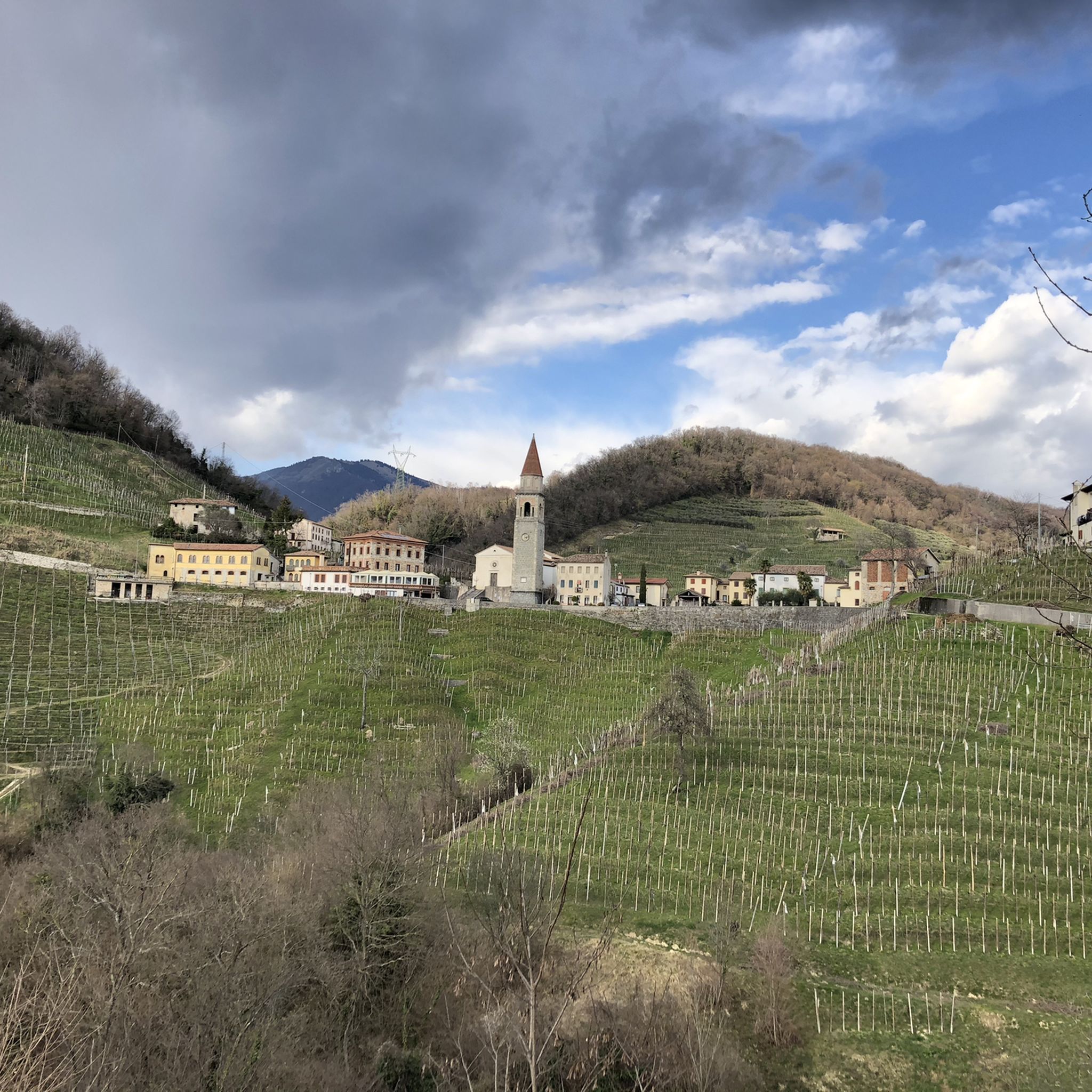
The Terraced Vineyards of Rolle are a significant viewpoint showcasing 'heroic' vineyards along steep terraced slopes. Rolle itself is a small hamlet that was the first Italian village protected by the FAI (Fondo Ambiente Italiano) in 2004. From here, visitors can enjoy splendid panoramic views of the UNESCO heritage vineyards, which have inspired artists and poets.
What do visitors say about the Molinetto della Croda?
Visitors describe the Molinetto della Croda as one of the most evocative corners of the Marca Trevigiana. Its picturesque setting, with the 17th-century mill nestled against the rock face and the cascading 12-meter waterfall, creates a 'fairytale landscape' that has enchanted thousands and inspired artists for centuries.
Most popular routes around Tarzo
Most popular attractions around Tarzo
Get inspired with the komoot mobile app


Explore more
Extend your search for the best caves by checking out these guides of the top ones around Tarzo: